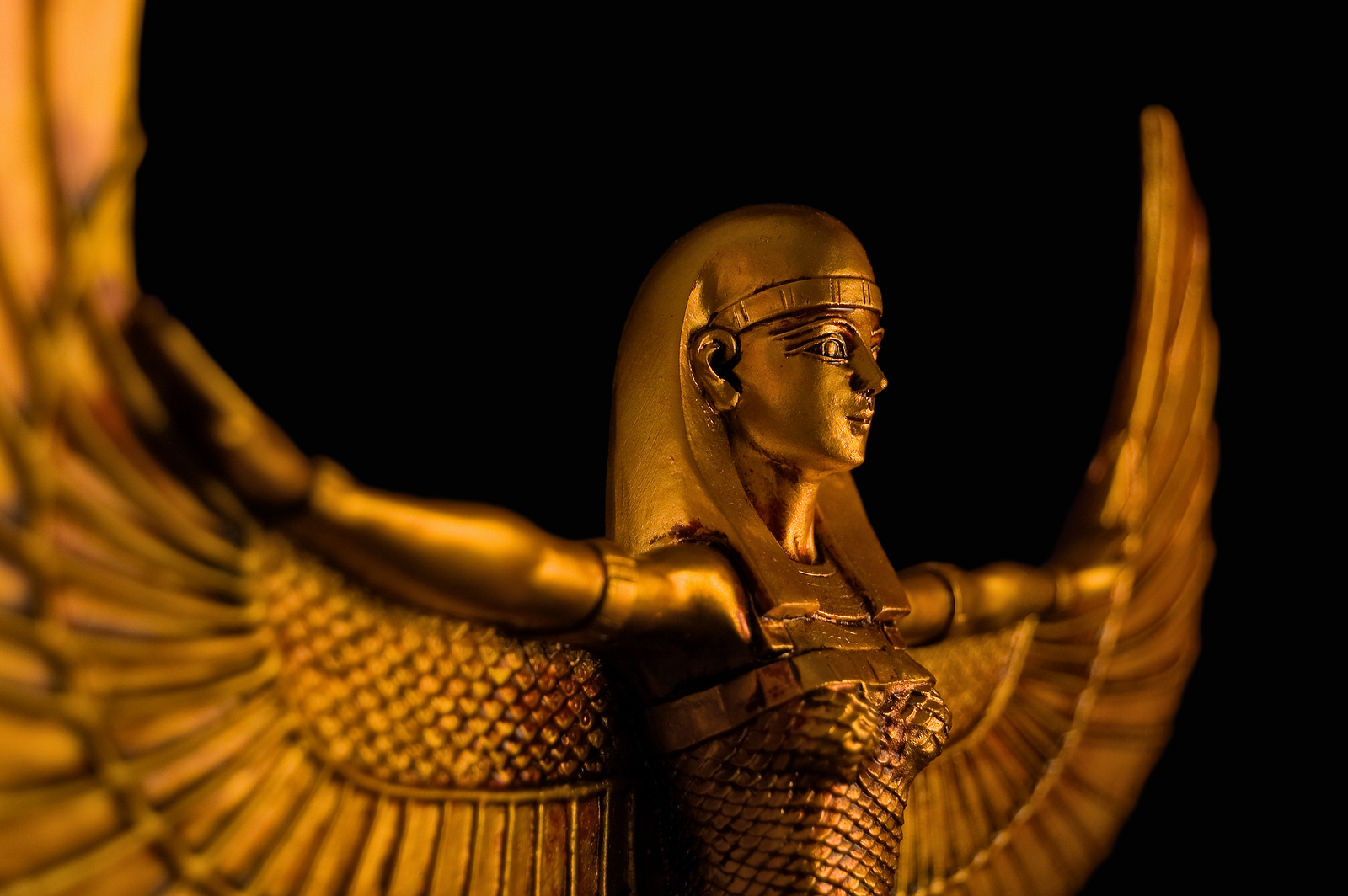
A traditional Temple Blend incense is not a single historical formula, but rather a class of resin-based incenses intended to evoke the atmosphere of sacred temples, churches, and mystery schools. Across the Western Mystery Tradition—including Rosicrucian, Hermetic, Golden Dawn, and ceremonial magical practice—the most common foundation consists of frankincense, myrrh, and benzoin, with additional resins added to deepen, brighten, or sweeten the fragrance.


A Classic Temple Blend
This recipe burns well on charcoal and produces a rich, lingering aroma.
Ingredients (by weight)
- 4 parts Frankincense (Olibanum)
- 2 parts Myrrh
- 2 parts Benzoin (Siam or Sumatra)
- 1 part Copal (gold or white)
- ½ part Dragon’s Blood
- ¼ part Mastic (optional, for brightness)
Optional additions
- A few dried rose petals (Rosicrucian symbolism)
- A pinch of powdered sandalwood
- Small amount of powdered cedar
- One or two crushed cloves (very sparingly)
- Tiny amount of cinnamon chips
Avoid adding too many herbs. Temple incense is traditionally resin-dominant.
Equipment
- Mortar and pestle
- Small glass bowl
- Kitchen scale (preferred)
- Fine mesh sieve (optional)
- Airtight glass jar
- Charcoal tablets and censer for burning
Step 1 – Freeze the Resins
Place the resins in the freezer for 30–60 minutes.
Cold resin shatters instead of becoming gummy, making it much easier to grind.
Step 2 – Grind Separately
Each resin has a different hardness.
Grind:
- Frankincense first
- Myrrh second
- Benzoin separately
- Copal separately
- Dragon’s Blood last
Do not worry if some pieces remain coarse.
Step 3 – Blend
Combine all powders in a glass bowl.
Mix thoroughly with a wooden spoon or gloved hands.
If using powdered sandalwood or cedar, add them now.
Step 4 – Cure
Seal in a glass jar.
Allow the incense to rest:
- minimum: 2 weeks
- ideal: 1 month
- exceptional: 3 months
As with wine, the fragrance becomes smoother as the volatile oils mingle.
Step 5 – Burn
Light a charcoal tablet until fully ignited.
Wait until it develops a gray ash coating.
Place only a pinch of incense on the charcoal.
Too much resin at once will melt and produce excessive smoke.
A Rosicrucian Temple Blend
For meditation in a Rosicrucian setting:
- 5 parts Frankincense
- 2 parts Benzoin
- 2 parts Myrrh
- 1 part Mastic
- ½ part Rose petals
- ¼ part Orris Root
This blend is bright, uplifting, and well suited for contemplative work centered on the symbolism of the Rose Cross.
A Golden Dawn Blend
Designed for ceremonial operations.
- 4 parts Frankincense
- 2 parts Myrrh
- 2 parts Benzoin
- 1 part Dragon’s Blood
- 1 part Copal
- Pinch of Storax
This produces a heavier, more dramatic fragrance appropriate for ritual work.
Planetary Temple Blend
Excellent for general planetary invocations.
- Frankincense — Solar
- Myrrh — Lunar
- Benzoin — Mercury
- Copal — Jupiter
- Dragon’s Blood — Mars
- Mastic — Air and purification
The resulting aroma is balanced without strongly emphasizing one planetary current.
Consecrating the Blend
Many ceremonial traditions prepare incense with mindful intention rather than as an ordinary craft project.
A simple approach is to:
- Work in a clean, quiet space.
- Grind each resin with deliberate attention.
- As each ingredient is added, reflect on its symbolic qualities—for example, frankincense for aspiration, myrrh for sacrifice and transformation, benzoin for harmony, copal for purification, and dragon’s blood for vitality and protection.
- Once blended, allow the incense to mature undisturbed before its first ceremonial use.
Some practitioners reserve a dedicated jar for temple incense and prepare fresh batches seasonally or before major observances.
Storage
Keep resin incense:
- in amber glass jars
- away from sunlight
- cool and dry
- tightly sealed
Properly stored, resin incense can retain its fragrance for many years, and many practitioners find that a well-aged blend develops a smoother, more integrated aroma over time.
For a Rosicrucian Temple working, this classic formula is an excellent starting point:
- 5 parts Frankincense
- 2 parts Benzoin
- 2 parts Myrrh
- 1 part Mastic
- ½ part Copal
- ½ part dried red rose petals
- ¼ part Orris root powder
The result is bright enough for meditation, warm enough for ritual, and sufficiently balanced for regular temple use throughout the liturgical year.