
Litha is one of the most widely celebrated festivals in modern Pagan traditions, marking the Summer Solstice—the longest day and shortest night of the year. While ancient cultures observed the solstice in diverse ways, contemporary Paganism honors Litha as a sacred celebration of the Sun at the height of its power, abundance in the natural world, and the fullness of life before the gradual return of darkness.
Every year, as the Sun reaches its highest point in the sky, something extraordinary happens.
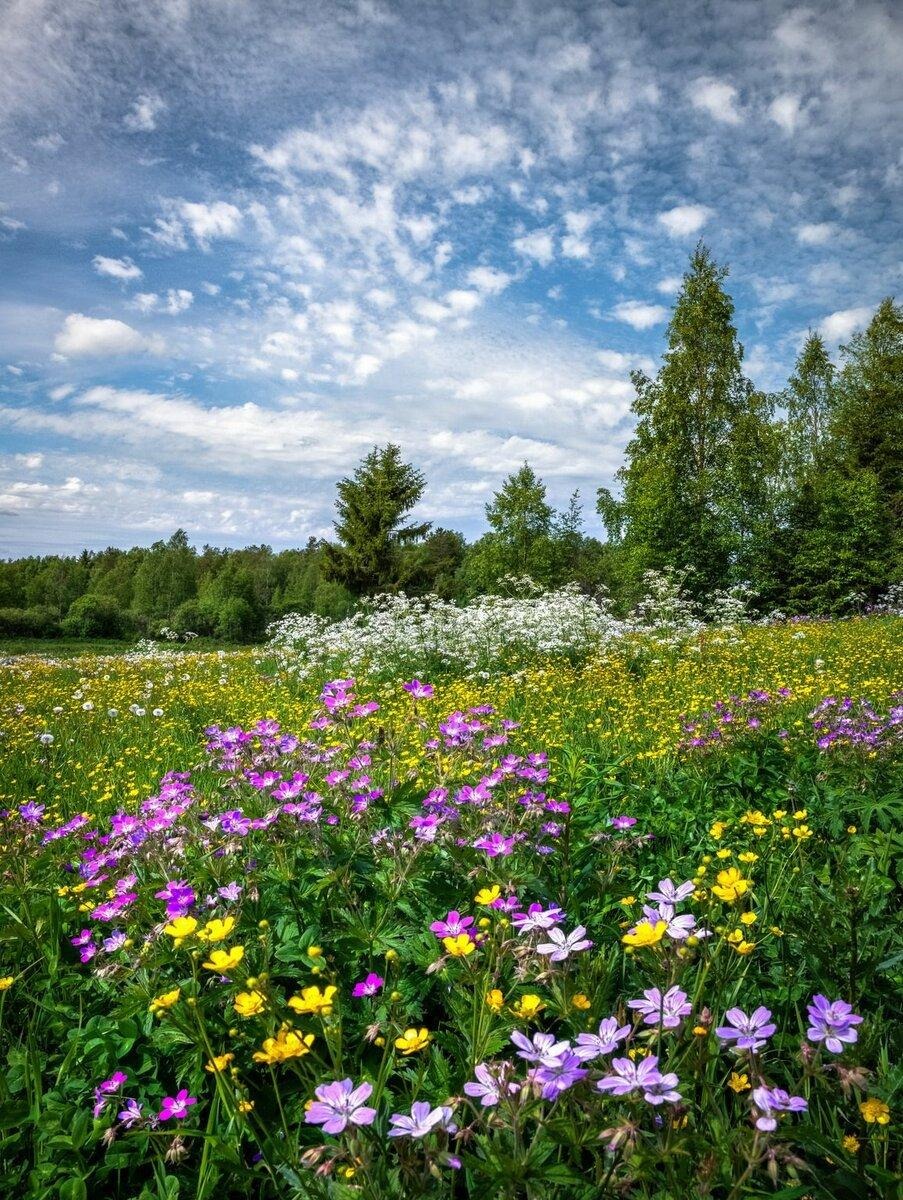
For one glorious day, daylight lingers longer than at any other time of the year. The Earth seems alive with warmth, flowers bloom in vibrant colors, gardens overflow with life, and the natural world stands in its fullest expression.
This is Litha, the Summer Solstice—a sacred celebration of light, vitality, abundance, and the ever-turning Wheel of the Year.
Although often associated with modern Paganism and Wicca, the Summer Solstice has been honored by cultures across the world for thousands of years. Whether through bonfires, dances, feasts, or watching the sunrise over ancient stone circles, humanity has long recognized this day as one of profound spiritual significance.
What Is Litha?
Litha is one of the eight seasonal festivals known as the Wheel of the Year. It falls on or around June 20–22 in the Northern Hemisphere (and around December 20–22 in the Southern Hemisphere).
It marks the moment when the Sun reaches its greatest strength.
Yet hidden within this triumph of light is an important reminder.
From this day forward, the daylight slowly begins to diminish.
Litha therefore teaches a profound spiritual lesson:
Everything that rises must eventually descend.
Every season contains the seed of the next.
Life exists not in permanence, but in sacred cycles.
The Power of the Sun
Across many Pagan traditions, the Sun represents far more than a celestial body.
It symbolizes:
- Life
- Wisdom
- Consciousness
- Courage
- Creativity
- Divine illumination
- Spiritual awakening
At Litha, the Sun is honored not simply because it shines, but because it makes all earthly life possible.
Its warmth ripens crops.
Its light nourishes forests.
Its energy sustains every living thing.
For many practitioners, spending time beneath the Sun during Litha becomes an act of gratitude—a reminder of humanity’s intimate relationship with the natural world.
Ancient Roots
Long before the word “Litha” entered modern Pagan vocabulary, civilizations celebrated the Summer Solstice.
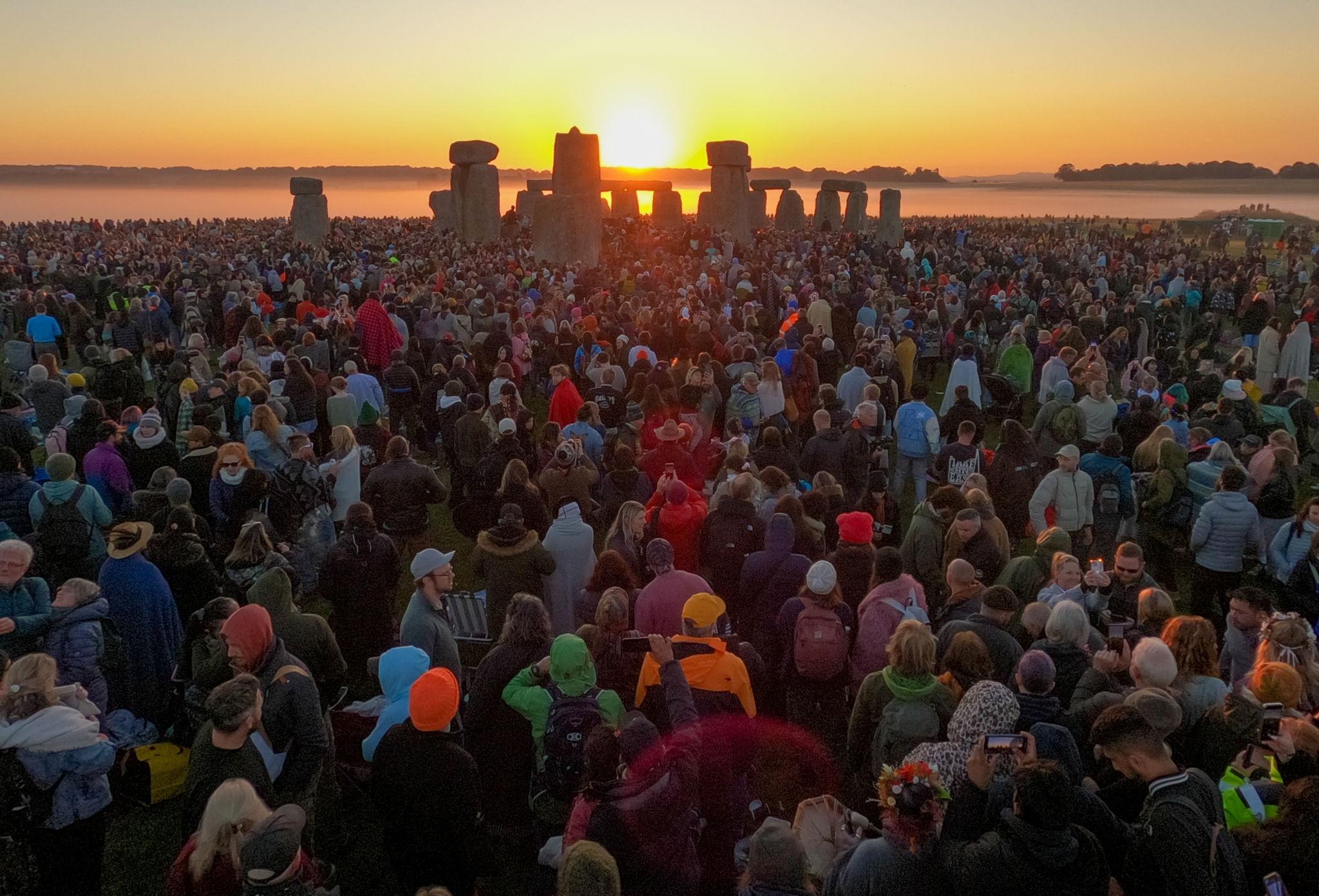
Ancient peoples aligned monuments with the rising Sun.
Farmers prayed for healthy harvests.
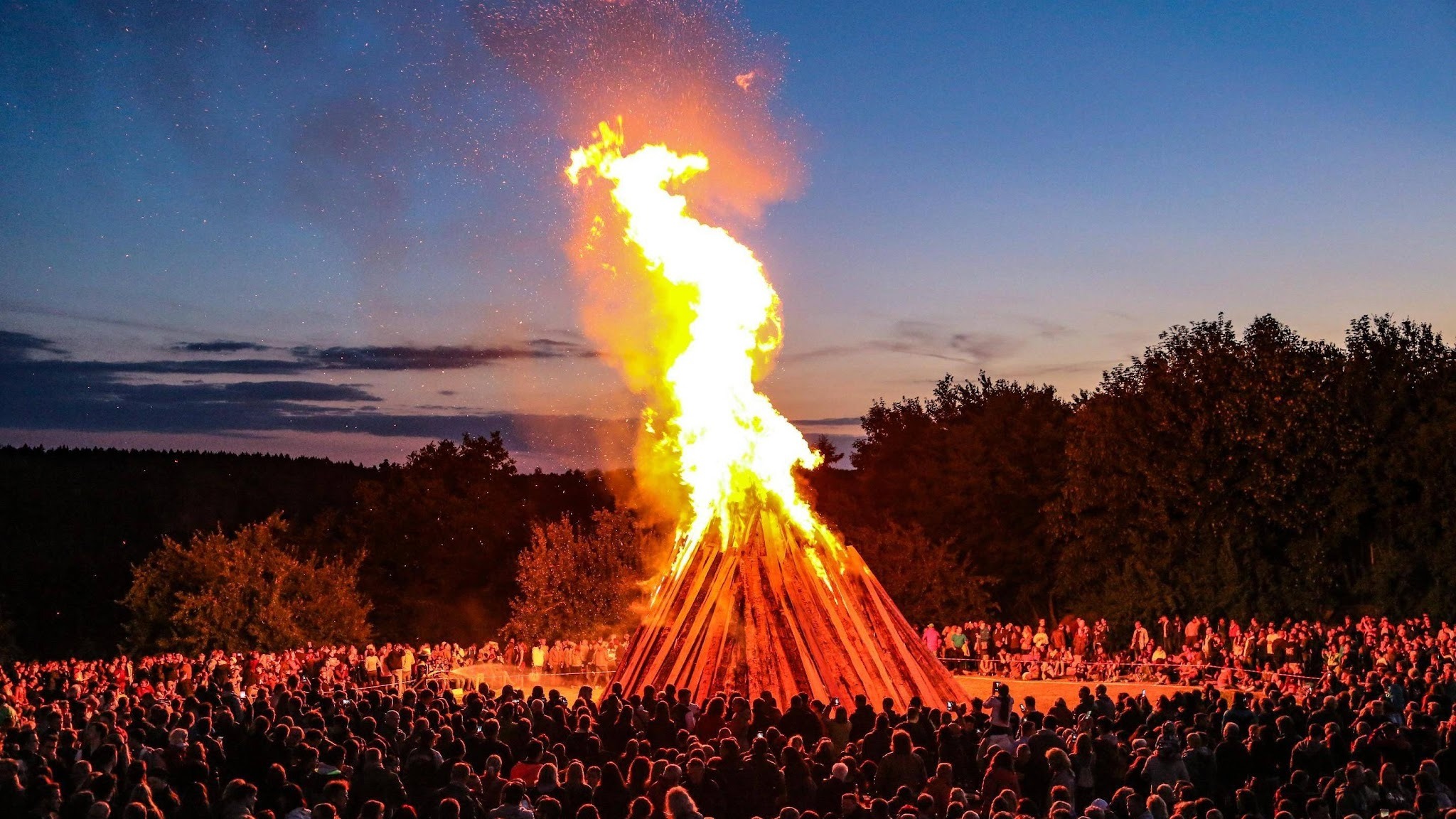
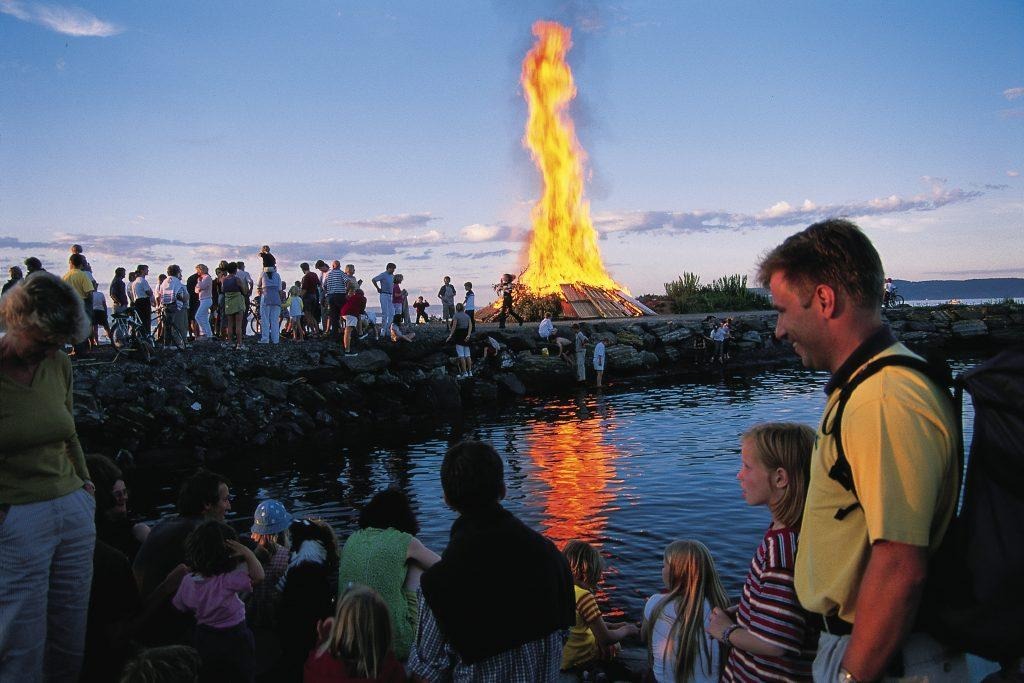
Communities gathered around enormous bonfires.
Kings demonstrated their power.
Priests welcomed the season of abundance.
Even today, thousands gather each year at ancient monuments such as:
- Stonehenge
- Newgrange
- Chichén Itzá
These sacred places remind us that humanity has always looked toward the heavens to understand our place within the cosmos.

The Oak King and the Holly King
Many modern Pagan traditions tell a symbolic story of two archetypal rulers:
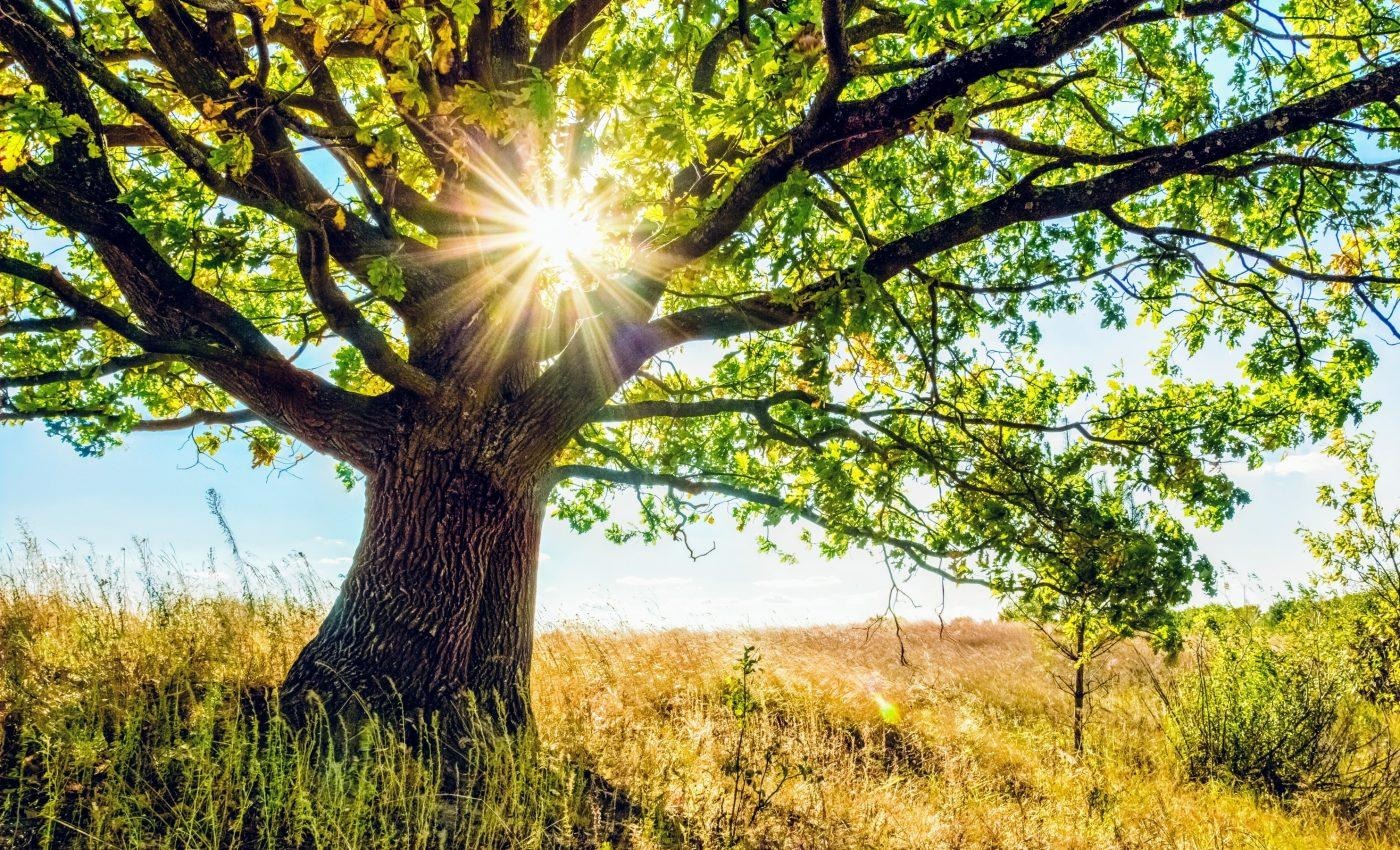
The Oak King, who governs the waxing light from Yule to Litha.
The Holly King, who rules the waning light from Litha until Yule.
At the Summer Solstice, the Oak King reaches the height of his reign before yielding to the Holly King.
This is not a story of defeat.
Rather, it illustrates one of nature’s deepest truths:
Growth and decline are partners, not enemies.
Without rest there can be no renewal.
Without winter there can be no spring.
Without endings there can be no beginnings.
Symbols of Litha
Many symbols associated with Litha reflect the season’s abundance.
Among them are:
- Bonfires
- The Sun
- Oaks
- Wildflowers
- Honey
- Herbs
- Bees
- Butterflies
- Wheels
- Solar wheels
- Fresh fruits
- Wheat
- St. John’s Wort
- Mugwort
- Lavender
- Sunflowers
Fire plays an especially important role.
Across Europe, enormous hilltop fires once blazed through the night, symbolizing the strength of the Sun and offering blessings for protection, fertility, and prosperity.
Spiritual Themes
Litha invites reflection on questions such as:
- Where has my life reached its fullest expression?
- What seeds have now borne fruit?
- What blessings have I overlooked?
- What must I preserve before the seasons begin to change?
- How can I use my gifts to bring light into the lives of others?
Rather than focusing on what is lacking, Litha encourages appreciation for what is already flourishing.
Gratitude itself becomes a spiritual practice.
Simple Ways to Celebrate
You do not need an elaborate ritual to honor Litha.
Many meaningful observances are beautifully simple.
You might:
- Rise early to watch the sunrise.
- Spend time hiking through forests or meadows.
- Gather flowers for your home altar.
- Prepare a meal using seasonal fruits and vegetables.
- Light a candle in gratitude for the Sun.
- Journal about the blessings that have come into your life.
- Meditate outdoors beneath a tree.
- Host a gathering with family or friends.
- Offer thanks for the abundance of the Earth.
Above all, Litha is a celebration of presence.
It asks us to notice beauty while it is here.
A Festival of Gratitude
Perhaps the greatest lesson of Litha is this:
Light is most precious because it does not last forever.
The Summer Solstice reminds us to celebrate while the flowers bloom, to laugh while the days are warm, and to cherish the people who walk beside us.
Nature teaches that nothing remains fixed
The Wheel continues to turn.
Yet each return of Litha offers another opportunity to stand beneath the radiant Sun, breathe deeply, and remember that we, too, are part of this living rhythm.
As the ancient cycle continues, may the light that shines above also awaken the light within.
Happy Litha, and blessed Summer Solstice.