Golden Dawn Lecture | Lammas and the Alchemical Formula of the First Harvest

Officers, initiates, companions, and honored guests:

Tonight we turn our attention toward Lammas, the festival of the First Harvest.

In the agricultural calendar, Lammas marks the season in which the first grain is gathered and the first bread of the new harvest is prepared. Within modern Pagan observance, it stands at the beginning of the harvest cycle and is commonly celebrated around the first day of August.

For the esoteric student, however, Lammas is more than a seasonal festival.

It is a natural revelation of the Hermetic process.

It illustrates the descent of spiritual force into matter, the maturation of potential through elemental operation, the necessity of sacrifice, and the transmutation of individual attainment into service.

Lammas may therefore be studied as a seasonal emblem of the Great Work.

I. The Seasonal Threshold

Lammas occurs after the summer solstice.

At the solstice, the solar power has reached its greatest visible extension. The days are longest, vegetation flourishes, and the outward current of life appears triumphant.

Yet the solstice also marks the beginning of the Sun’s decline.

After the longest day, the hours of light gradually diminish.

By Lammas, the solar force is still strong, but its direction has changed. The power that once drove expansion is now becoming concentrated within the harvest.

The light that filled the sky has entered the grain.

This is the first key to understanding Lammas esoterically:

Energy that has completed its outward expansion begins to consolidate into form.

The spiritual life follows a similar rhythm.

There are seasons of aspiration, study, invocation, growth, and expansion. There must also be seasons of consolidation, embodiment, evaluation, and harvest.

Without consolidation, inspiration remains diffuse.

Without embodiment, knowledge remains theoretical.

Without harvest, growth never becomes nourishment.

Lammas therefore announces a turning from expansion toward integration.

II. The Grain as an Initiatory Symbol

Consider the life of the grain.

The seed begins as a compact vessel containing hidden potential.

Nothing in its outward appearance reveals the full pattern that it carries. Yet within it exists the power to become root, stalk, leaf, and ripened grain.

The seed enters the Earth.

There, in darkness, it breaks open.

Its original form is destroyed, but its essential life is liberated.

The root descends while the shoot rises.

The seed therefore moves in two directions simultaneously: downward into matter and upward toward light.

This is a fitting image of initiation.

The aspirant cannot ascend authentically without also descending into the unexamined depths of the personality.

One must confront the concealed roots of desire, fear, memory, and conditioning while also reaching toward the higher consciousness.

The spiritual path is not a flight upward alone.

It is the establishment of a living axis between the heights and the depths.

The grain expresses this axis perfectly.

Its roots enter the darkness of Malkuth.

Its stalk rises toward the Sun.

Its golden crown receives and concentrates the solar fire.

III. The Elemental Operation

The life of the grain also reveals the cooperation of the four classical Elements.

Earth provides the field, the mineral substance, the body, and the conditions of stability.

Water awakens the seed, dissolves its rigidity, and carries nourishment through the plant.

Air enables respiration, movement, exchange, and growth.

Fire, present through the Sun, provides warmth, vitality, maturation, and ripening.

Yet the four Elements do not operate as a random collection of forces.

They are coordinated by a fifth principle.

This principle may be called Spirit, Quintessence, the hidden life, or the directing intelligence within nature.

In Golden Dawn symbolism, Spirit equilibrates and governs the Elements.

Without balance, Fire would consume.

Water would dissolve.

Air would disperse.

Earth would become inert.

Through the operation of Spirit, the Elements become a temple rather than a conflict.

The grain is therefore a living pentagram.

The loaf of Lammas makes this symbolism even more explicit.

Flour represents Earth.

Water binds the flour into one body.

Air enters the dough and raises it.

Fire fixes and transforms the mixture.

Spirit is the unseen principle that gives meaning to the entire operation.

Bread becomes the Pentagram made visible in substance.

IV. Solve et Coagula

The alchemical formula most clearly revealed through Lammas is Solve et Coagula: dissolve and coagulate.

The seed must dissolve its former condition before the plant can emerge.

The grain must be separated from the stalk.

The husk must be broken.

The grain must be ground into flour.

Its fixed structure must be reduced.

Yet dissolution is not the final purpose.

The flour is joined with water.

Air is introduced.

The mixture is kneaded into a new body.

Fire fixes the new form.

The result is bread.

The work therefore proceeds through a cycle:

The old form is dissolved.

The hidden essence is released.

The components are purified and joined.

A new form is established.

This is the formula of psychological and spiritual transformation.

The unrefined personality cannot simply be decorated with spiritual symbols.

Its patterns must be examined and, where necessary, dissolved.

Unconscious motives must be revealed.

Contradictions must be separated.

The faculties must be purified and reordered.

Only then can a more integrated spiritual identity be established.

The grain does not become bread by remaining grain.

The aspirant does not become an initiate by clinging unchanged to every habit of the former life.

V. The Alchemical Stages of the Harvest

The cycle of grain may also be contemplated through the major stages of alchemical transformation.

The seed enters the dark soil. This corresponds symbolically to Nigredo, the black stage of dissolution, obscurity, and putrefaction.

The seed’s former structure breaks down.

The aspirant experiences a similar darkness whenever old assumptions, identities, or certainties begin to fail.

From this darkness, the shoot emerges.

The washing rains and the first green growth may be associated with purification, renewal, and the gradual emergence of clarity.

The plant rises into the sunlight.

Its structure becomes ordered.

Its life is directed toward a definite purpose.

At harvest, the grain becomes golden.

This golden state evokes the solar completion of the Work.

Yet the lesson of Lammas is that even gold must become useful.

The ripened grain cannot remain forever in the field.

Attainment must pass into service.

Illumination must become embodiment.

The spiritual gold must tincture the world.

VI. Tiphareth and the Solar Grain

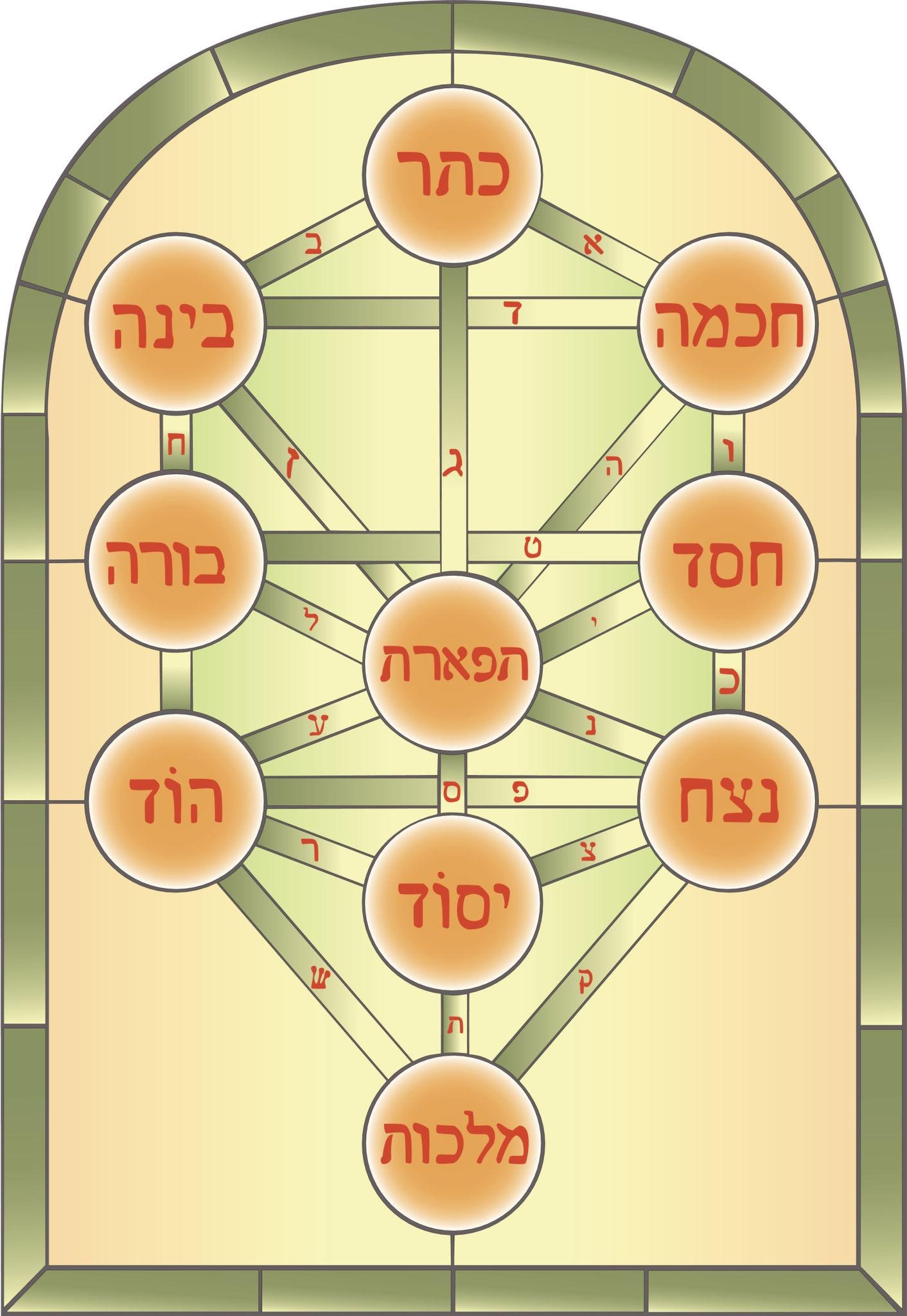
Within the Qabalistic Tree of Life, Lammas resonates strongly with Tiphareth.

Tiphareth is the sphere of Beauty, harmony, balance, sacrifice, healing, and solar consciousness.

It stands at the center of the Tree and mediates between the higher and lower worlds.

The Sun is its principal planetary correspondence.

The grain is solar because it has received the Sun’s power and fixed it within matter.

Wheat may therefore be contemplated as condensed sunlight.

Bread is solar vitality made receivable through the body.

This relationship suggests a movement from Tiphareth to Malkuth.

The force of the solar center descends into the Kingdom.

Spirit enters matter.

Light enters the field.

The field produces grain.

The grain becomes bread.

The bread strengthens embodied life.

This descent is not a degradation of spirit.

It is the fulfillment of spirit.

The purpose of the higher is not merely to remain above.

Its light seeks expression below.

The purpose of mystical realization is not escape from the world, but the illumination of the world.

Lammas teaches the sanctity of descent.

VII. The Sacrificed Solar Principle

Lammas also contains the mystery of the sacrificed solar power.

In many agricultural mythologies, the spirit of the grain is symbolically cut down at harvest. Modern Pagan traditions may represent this through the Grain God or Corn King.

From an esoteric perspective, this image corresponds to the solar principle that gives itself so that life may continue.

The grain reaches perfection by becoming capable of offering itself.

Its cutting is not a failure.

It is the consequence of fulfillment.

This distinction is important.

Sacrifice in the higher sense is not meaningless destruction.

It is the surrender of a completed form so that a greater purpose may be served.

The grain gives its body as bread.

The initiate gives knowledge as guidance.

The healer gives training as service.

The teacher gives understanding as instruction.

The adept gives presence, stability, and illumination to the world.

The true solar consciousness does not hoard its radiance.

Like the Sun, it gives.

VIII. The Rose and the Cross

The Rosicrucian formula of the Rose and Cross offers another interpretation of the harvest.

The Cross represents incarnation, limitation, the four Elements, labor, and the conditions of manifestation.

The Rose represents awakened consciousness, beauty, harmony, hidden wisdom, and spiritual unfolding.

At Lammas, the field is the Cross.

It is the place of work, time, weather, limitation, and effort.

The golden grain is the Rose.

It is the flowering result of spirit operating through material conditions.

The Rosicrucian does not reject the Cross in order to discover the Rose.

The Rose blooms upon the Cross.

Matter is not the enemy of spirit.

Matter is the field in which spiritual meaning becomes visible.

Therefore the Rosicrucian approach to Lammas is not world-denying.

It affirms that ordinary actions may become sacramental when performed with awareness.

Labor may become ritual.

Craftsmanship may become devotion.

A meal may become communion.

A household may become a temple.

The body may become an instrument of the Light.

IX. The Sickle and the Sword

The sickle is one of the principal symbols of the harvest.

Its function is separation.

It cuts the grain from the field.

It ends one phase of growth and begins the process of transformation.

In ceremonial symbolism, the sword performs a related function.

The sword represents reason, discrimination, division, clarity, and authority.

The Lammas sickle may therefore be interpreted as the Sword of Discernment applied to the field of life.

The practitioner must ask:

What has genuinely ripened?

What only appears impressive?

What bears grain?

What is empty husk?

What should be preserved as seed?

What should be transformed into nourishment?

What should be returned to the Earth?

The harvest is a judgment, but not necessarily a punishment.

It is a revelation.

The field reveals the consequences of previous conditions and actions.

For the magician, this is essential.

The magical record must distinguish between intention and result.

Emotional excitement is not attainment.

Complexity is not depth.

A dramatic vision is not always wisdom.

A title is not transformation.

A ritual is judged by its fruit.

Has the work produced balance?

Has it produced courage?

Has it produced self-knowledge?

Has it produced ethical discipline?

Has it increased the capacity to serve?

These are the questions of the harvest.

X. Lammas and the Test of Adeptship

The beginner naturally gathers knowledge.

The student collects symbols, correspondences, rituals, names, teachings, and techniques.

This stage is necessary.

Yet the test of adeptship is not accumulation.

It is integration.

The true adept becomes fruitful.

Knowledge becomes wisdom.

Wisdom becomes balance.

Balance becomes healing influence.

Understanding becomes guidance.

Power becomes responsibility.

Lammas therefore provides an important standard for esoteric attainment.

The robes, grades, implements, signs, and passwords of initiation are not the harvest.

They are instruments of cultivation.

The harvest is the transformation of the human being.

The initiate must ask:

Am I more truthful than I was?

Am I more disciplined?

Am I less ruled by impulse?

Am I more compassionate without becoming weak?

Am I more discerning without becoming cruel?

Am I able to carry responsibility without seeking domination?

Am I able to receive correction?

Am I becoming a stable presence within the lives of others?

The adept must become bread.

XI. Lugh and the Integration of Skill

Lammas is frequently celebrated alongside Lughnasadh, the Gaelic festival associated with Lugh.

Lugh is remembered as a master of many arts.

Esoterically, he represents the integration of faculties.

The magician likewise must coordinate multiple powers.

Intellect must not war against intuition.

Will must not overwhelm compassion.

Devotion must not reject discrimination.

Imagination must not abandon reason.

Power must not escape ethics.

The wand, cup, sword, and pentacle must be balanced around the center.

Lugh’s mastery is therefore not mere talent.

It is disciplined integration.

The festival of Lammas may be used to honor the development of skill, craft, artistry, scholarship, and practical excellence.

The esoteric path is not opposed to competence.

To perform a task well is to bring order into matter.

To refine a craft is to cooperate with the formative intelligence of the Logos.

To create something useful, beautiful, and true is a form of magical work.

XII. The Law of Exchange

Every harvest is made possible by expenditure.

The soil gives nutrients.

The clouds give rain.

The Sun gives light.

The seed gives its original form.

The laborer gives time and strength.

Transformation requires exchange.

The spiritual life is governed by the same law.

One does not attain discipline without surrendering certain comforts.

One does not attain wisdom without surrendering certain illusions.

One does not attain mastery without surrendering distraction.

One does not attain service without surrendering some degree of self-importance.

The question of sacrifice must therefore be understood carefully.

Sacrifice is not suffering pursued for its own sake.

It is the conscious consecration of energy, time, habit, or identity to a purpose of greater value.

At Lammas, the practitioner may ask:

What has the Work required from me?

What have I resisted giving?

What am I now prepared to offer?

XIII. The Spiritual Inventory

Lammas is an appropriate time for a formal spiritual inventory.

The initiate may review the cycle of the year.

At the winter solstice, the Light was born in darkness.

At Imbolc, the hidden life began to stir.

At the spring equinox, balance enabled growth.

At Beltane, vitality and desire entered union.

At the summer solstice, solar power reached its greatest extension.

At Lammas, the first results become visible.

The practitioner should examine these results without either vanity or self-condemnation.

The alchemist does not curse the vessel when an experiment fails.

The conditions are studied.

Was the heat sufficient?

Was the matter properly prepared?

Was the operation interrupted?

Was the vessel impure?

Was the timing wrong?

Was patience lacking?

This analytical spirit should be applied inwardly.

What practice produced genuine transformation?

What effort was inconsistent?

What intention was unrealistic?

What obstacle was ignored?

What unexpected blessing appeared?

What should be continued?

What should be revised?

What should be abandoned?

The harvest is information.

XIV. The Final Formula

The deepest teaching of Lammas may be summarized in a single movement:

The Light descends into matter so that matter may become a vehicle of Light.

The Sun enters the grain.

The grain enters the bread.

The bread enters the body.

The body becomes the instrument of action.

Action becomes service.

Service returns the Light to the world.

Therefore the First Harvest is not only the gathering of personal achievement.

It is the beginning of distribution.

What has been gained must now be shared.

What has been understood must now be embodied.

What has been received must now become useful.

The true harvest of the Rosicrucian path is not hidden knowledge.

It is the flowering of the inner Rose within the conditions of ordinary life.

The true harvest of the alchemical path is not private gold.

It is the tincture that transforms what it touches.

The true harvest of the ceremonial path is not power over invisible forces.

It is the ordered, ethical, and illuminated human being.

At Lammas, let us gather the grain.

Let us preserve the seed.

Let us separate substance from husk.

Let us submit what is unrefined to the millstone of discipline.

Let us join the Elements in right proportion.

Let us pass through the fire of transformation.

And let the bread of our labor become nourishment for the world.

The Light at Its Zenith: Celebrating Litha, the Summer Solstice | Victoria Generao, PhD

Litha is one of the most widely celebrated festivals in modern Pagan traditions, marking the Summer Solstice—the longest day and shortest night of the year. While ancient cultures observed the solstice in diverse ways, contemporary Paganism honors Litha as a sacred celebration of the Sun at the height of its power, abundance in the natural world, and the fullness of life before the gradual return of darkness.


Every year, as the Sun reaches its highest point in the sky, something extraordinary happens.

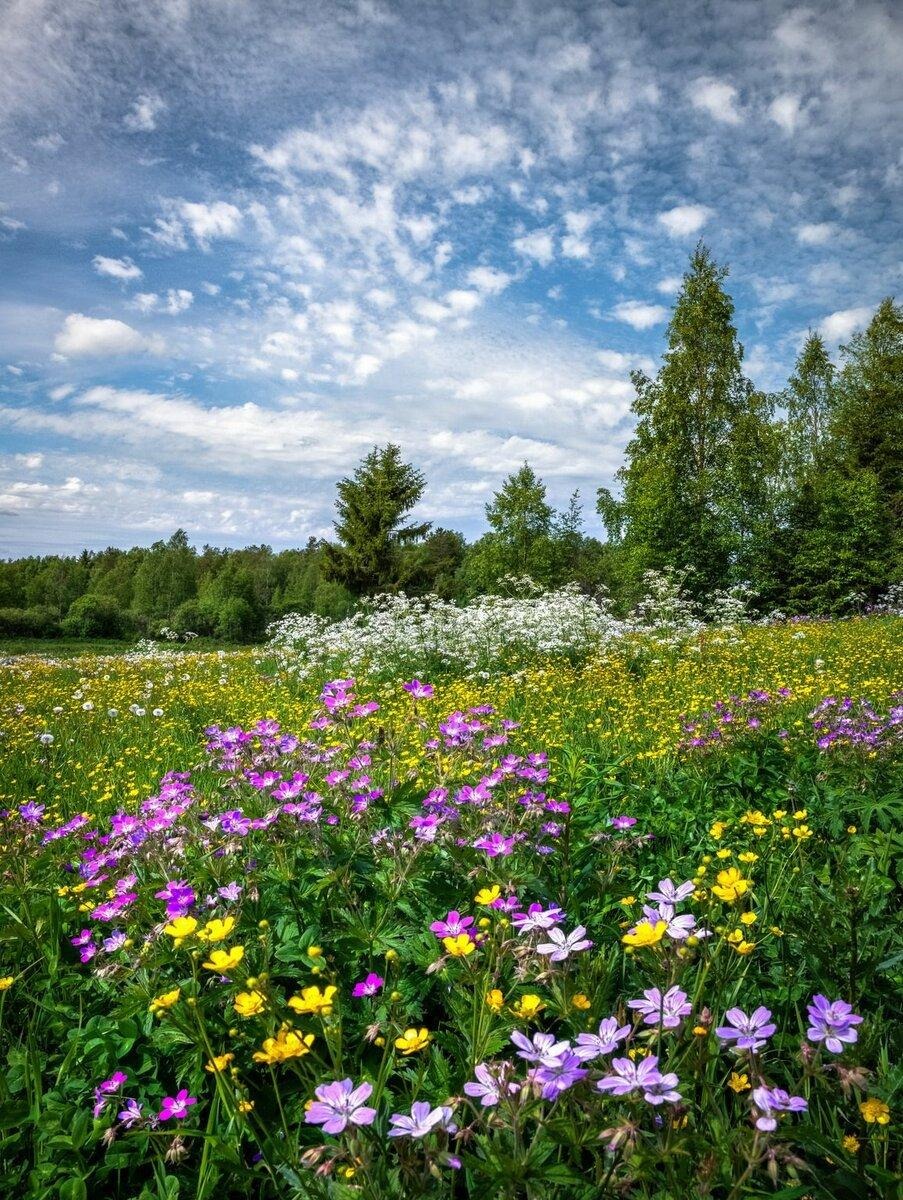
For one glorious day, daylight lingers longer than at any other time of the year. The Earth seems alive with warmth, flowers bloom in vibrant colors, gardens overflow with life, and the natural world stands in its fullest expression.

This is Litha, the Summer Solstice—a sacred celebration of light, vitality, abundance, and the ever-turning Wheel of the Year.

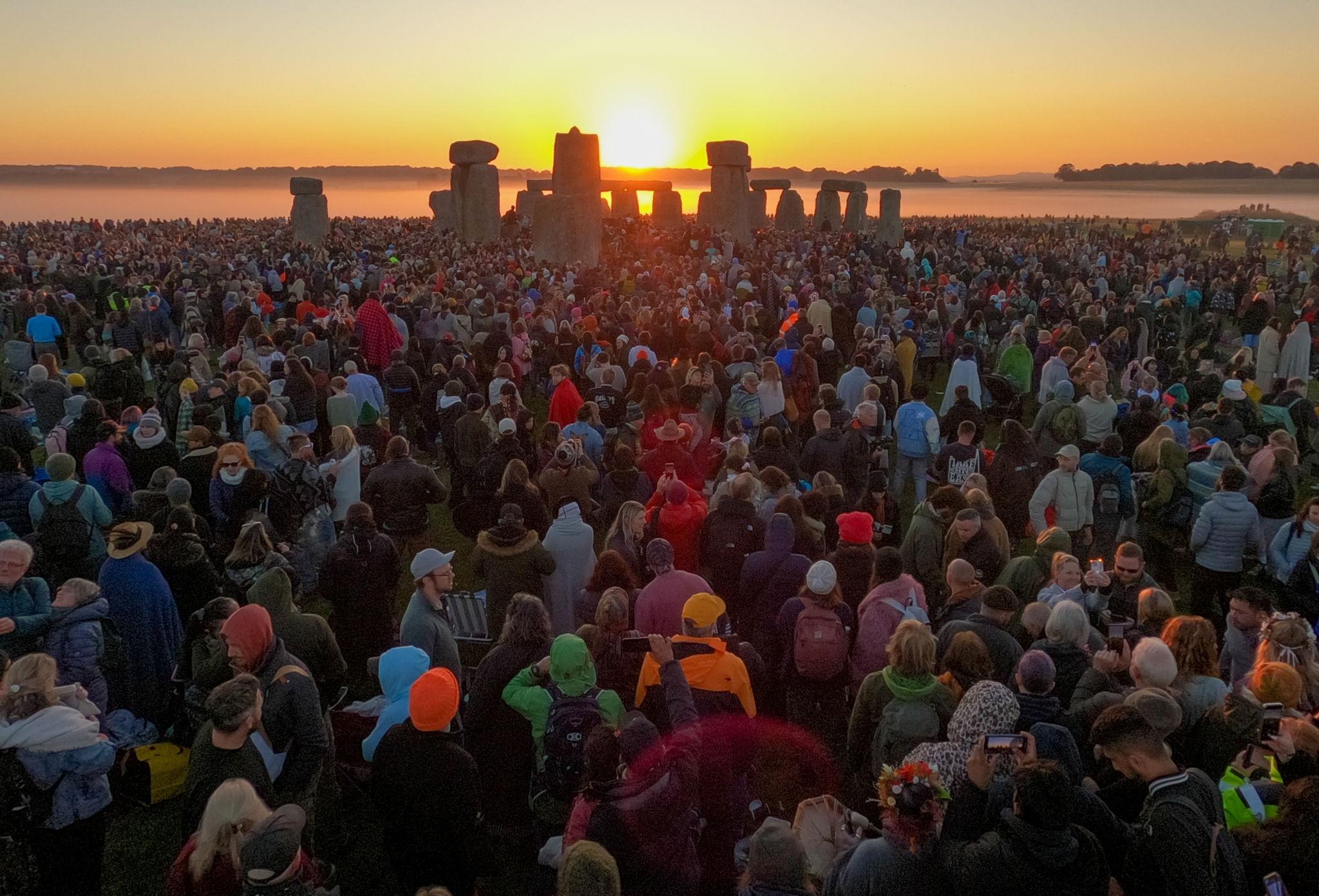
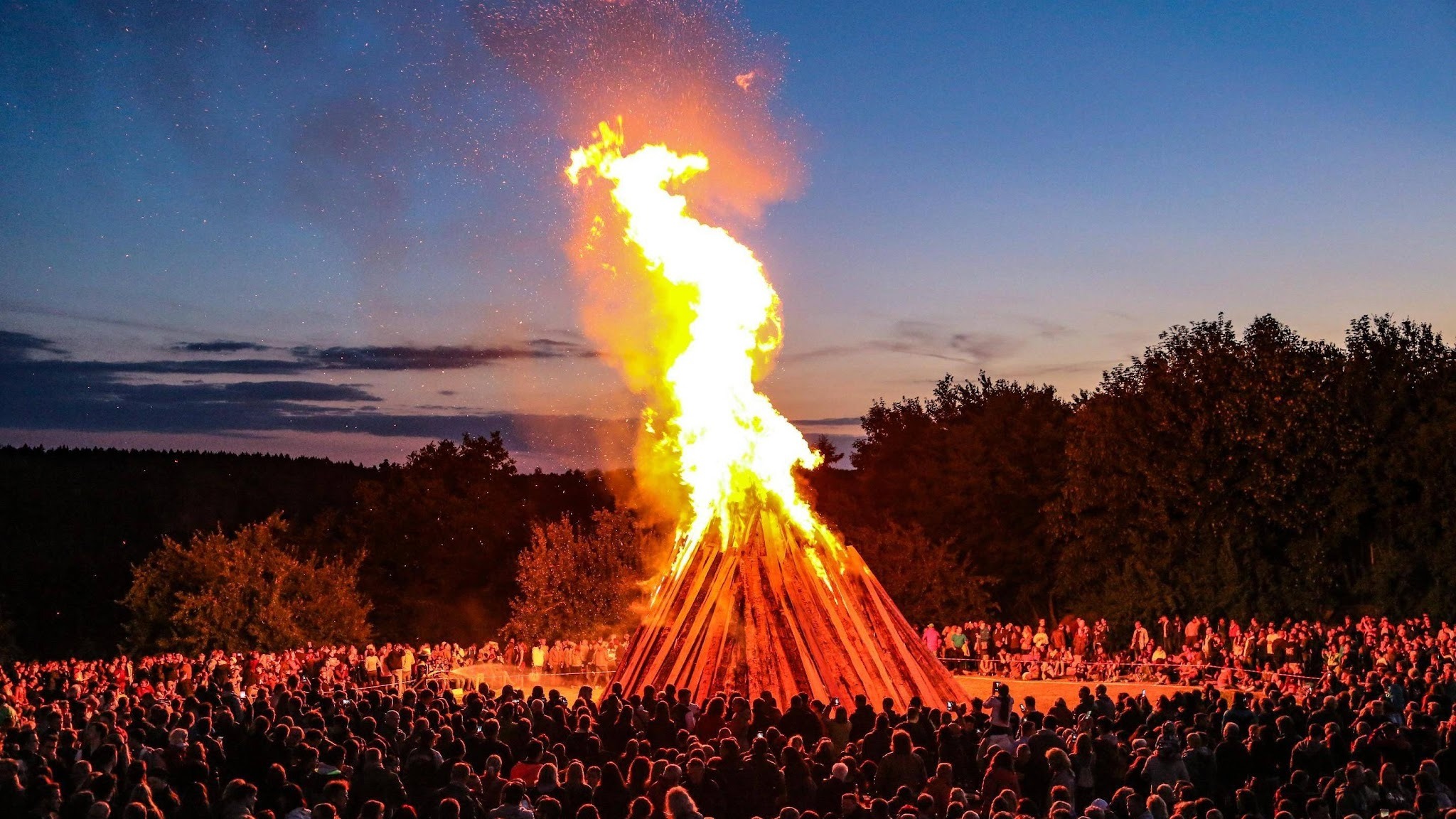
Although often associated with modern Paganism and Wicca, the Summer Solstice has been honored by cultures across the world for thousands of years. Whether through bonfires, dances, feasts, or watching the sunrise over ancient stone circles, humanity has long recognized this day as one of profound spiritual significance.

What Is Litha?

Litha is one of the eight seasonal festivals known as the Wheel of the Year. It falls on or around June 20–22 in the Northern Hemisphere (and around December 20–22 in the Southern Hemisphere).

It marks the moment when the Sun reaches its greatest strength.

Yet hidden within this triumph of light is an important reminder.

From this day forward, the daylight slowly begins to diminish.

Litha therefore teaches a profound spiritual lesson:

Everything that rises must eventually descend.

Every season contains the seed of the next.

Life exists not in permanence, but in sacred cycles.

The Power of the Sun

Across many Pagan traditions, the Sun represents far more than a celestial body.

It symbolizes:

  • Life
  • Wisdom
  • Consciousness
  • Courage
  • Creativity
  • Divine illumination
  • Spiritual awakening

At Litha, the Sun is honored not simply because it shines, but because it makes all earthly life possible.

Its warmth ripens crops.

Its light nourishes forests.

Its energy sustains every living thing.

For many practitioners, spending time beneath the Sun during Litha becomes an act of gratitude—a reminder of humanity’s intimate relationship with the natural world.

Ancient Roots

Long before the word “Litha” entered modern Pagan vocabulary, civilizations celebrated the Summer Solstice.

Ancient peoples aligned monuments with the rising Sun.

Farmers prayed for healthy harvests.

Communities gathered around enormous bonfires.

Kings demonstrated their power.

Priests welcomed the season of abundance.

Even today, thousands gather each year at ancient monuments such as:

  • Stonehenge
  • Newgrange
  • Chichén Itzá

These sacred places remind us that humanity has always looked toward the heavens to understand our place within the cosmos.

The Oak King and the Holly King

Many modern Pagan traditions tell a symbolic story of two archetypal rulers:

The Oak King, who governs the waxing light from Yule to Litha.

The Holly King, who rules the waning light from Litha until Yule.

At the Summer Solstice, the Oak King reaches the height of his reign before yielding to the Holly King.

This is not a story of defeat.

Rather, it illustrates one of nature’s deepest truths:

Growth and decline are partners, not enemies.

Without rest there can be no renewal.

Without winter there can be no spring.

Without endings there can be no beginnings.

Symbols of Litha

Many symbols associated with Litha reflect the season’s abundance.

Among them are:

  • Bonfires
  • The Sun
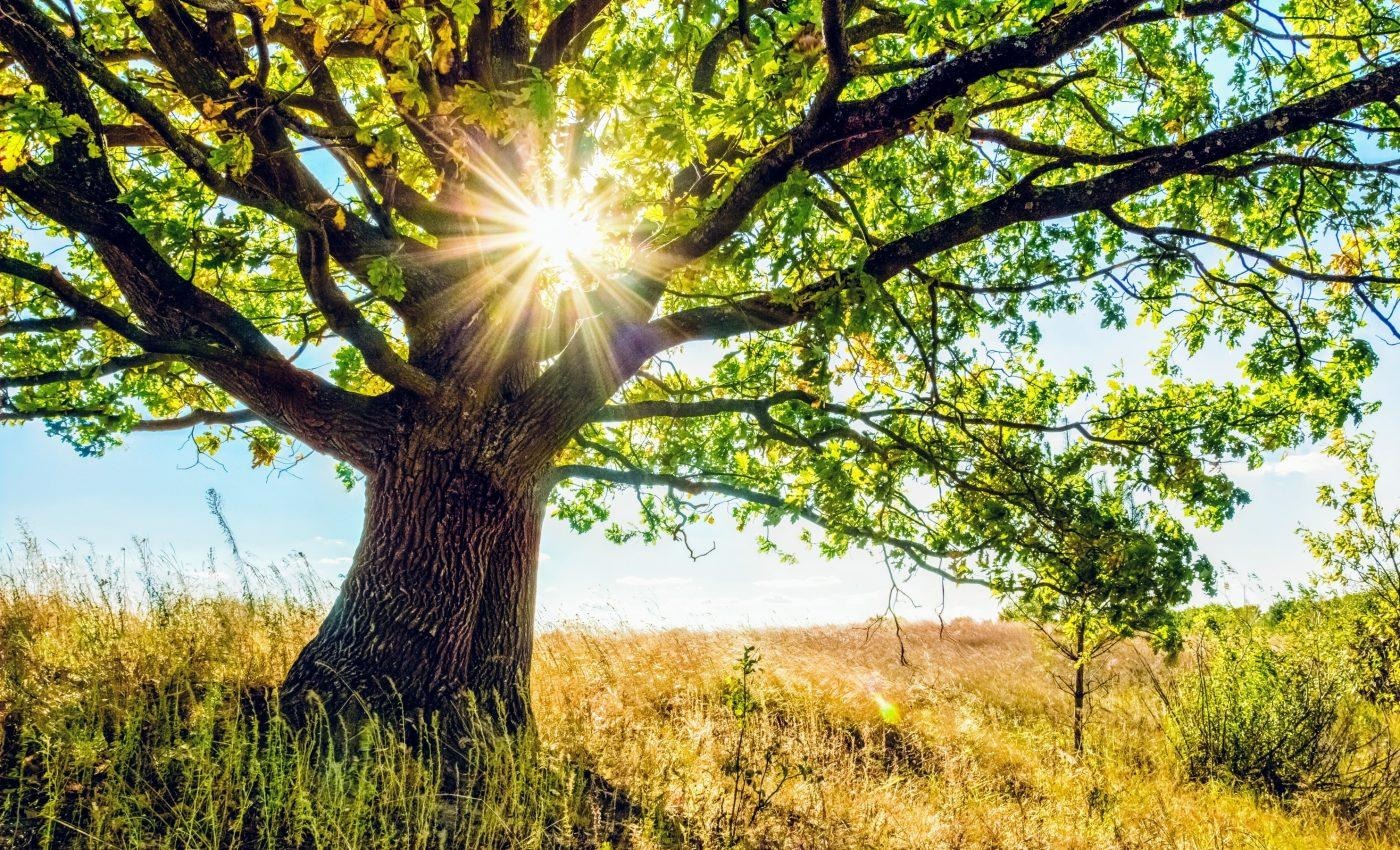
  • Oaks
  • Wildflowers
  • Honey
  • Herbs
  • Bees
  • Butterflies
  • Wheels
  • Solar wheels
  • Fresh fruits
  • Wheat
  • St. John’s Wort
  • Mugwort
  • Lavender
  • Sunflowers

Fire plays an especially important role.

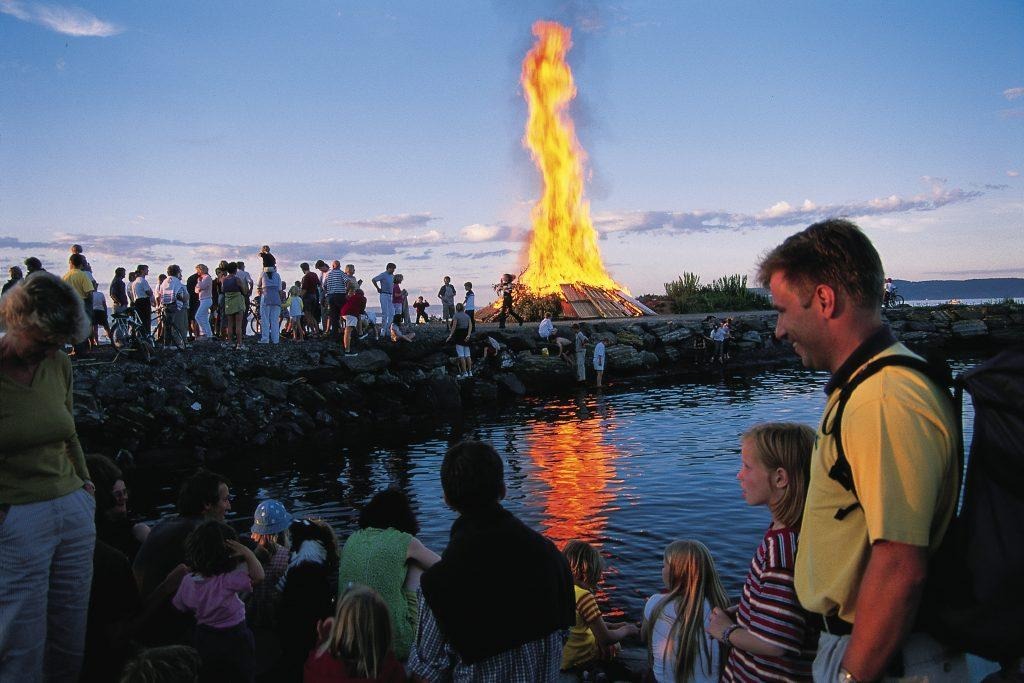
Across Europe, enormous hilltop fires once blazed through the night, symbolizing the strength of the Sun and offering blessings for protection, fertility, and prosperity.

Spiritual Themes

Litha invites reflection on questions such as:

  • Where has my life reached its fullest expression?
  • What seeds have now borne fruit?
  • What blessings have I overlooked?
  • What must I preserve before the seasons begin to change?
  • How can I use my gifts to bring light into the lives of others?

Rather than focusing on what is lacking, Litha encourages appreciation for what is already flourishing.

Gratitude itself becomes a spiritual practice.

Simple Ways to Celebrate

You do not need an elaborate ritual to honor Litha.

Many meaningful observances are beautifully simple.

You might:

  • Rise early to watch the sunrise.
  • Spend time hiking through forests or meadows.
  • Gather flowers for your home altar.
  • Prepare a meal using seasonal fruits and vegetables.
  • Light a candle in gratitude for the Sun.
  • Journal about the blessings that have come into your life.
  • Meditate outdoors beneath a tree.
  • Host a gathering with family or friends.
  • Offer thanks for the abundance of the Earth.

Above all, Litha is a celebration of presence.

It asks us to notice beauty while it is here.

A Festival of Gratitude

Perhaps the greatest lesson of Litha is this:

Light is most precious because it does not last forever.

The Summer Solstice reminds us to celebrate while the flowers bloom, to laugh while the days are warm, and to cherish the people who walk beside us.

Nature teaches that nothing remains fixed

The Wheel continues to turn.

Yet each return of Litha offers another opportunity to stand beneath the radiant Sun, breathe deeply, and remember that we, too, are part of this living rhythm.

As the ancient cycle continues, may the light that shines above also awaken the light within.

Happy Litha, and blessed Summer Solstice.

THE SOLAR MYSTERY OF CORPUS CHRISTI | A Golden Dawn Reflection for the Thoughtful Reader | By Victoria Generao, PhD

THE SOLAR MYSTERY OF CORPUS CHRISTI

A Golden Dawn Reflection for the Thoughtful Reader

By Victoria Generao, PhD

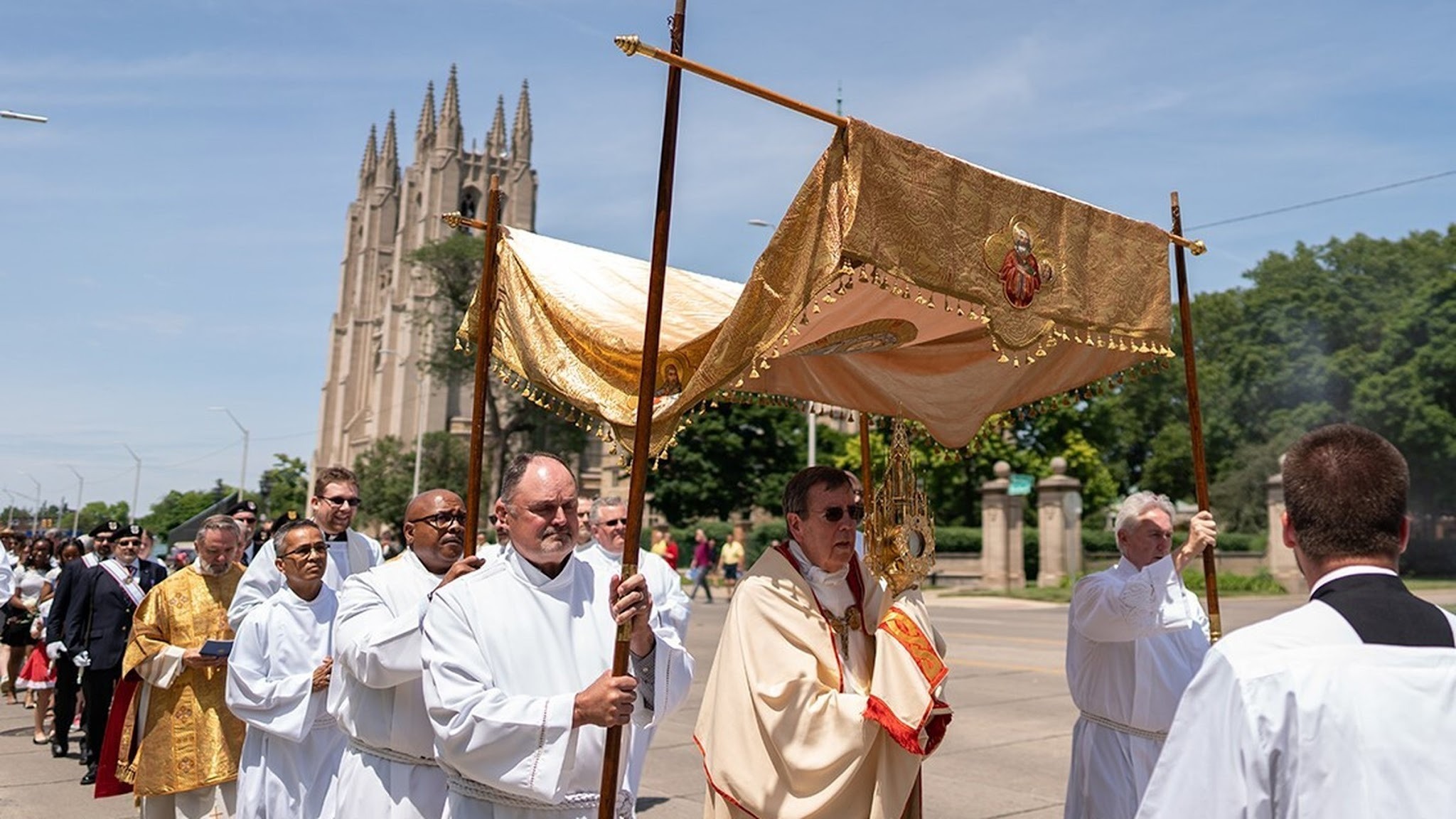
Each year, on the feast of Corpus Christi, streets in many parts of the world are briefly transformed. Flowers are scattered. Bells are rung. A radiant sun of gold is lifted above the heads of the faithful.

To some, this is devotional pageantry.
To others, theological affirmation.

To the student of Western esotericism, it is something more subtle: a public enactment of a solar mystery.


The Sun at the Heart

In the symbolic language of the Hermetic Order of the Golden Dawn, the Sun occupies a central and mediating role. It stands between the heights and the depths, between abstraction and embodiment. It is the harmonizing center.

Corpus Christi celebrates the presence of the Divine within consecrated matter. Esoterically considered, this is the same principle: light entering substance without destroying it.

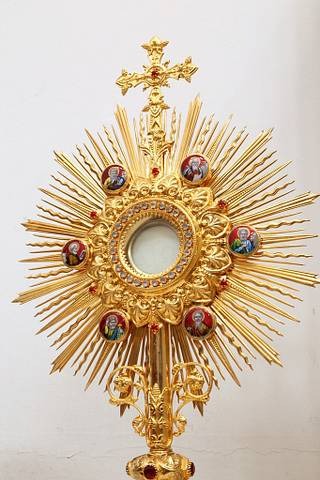
The image of the host placed within a radiant sunburst monstrance is not accidental ornament. It is a visual formula:

  • Center: luminous presence
  • Circle: perfected vessel
  • Rays: life extending outward

The symbolism speaks quietly of something universal. Spirit is not opposed to matter. It seeks expression through it.

The Mystery of Transformation

The theological language of the feast describes transformation at the level of essence. What appears unchanged outwardly is inwardly transfigured.

Western esoteric tradition recognizes this as a key principle of spiritual development. Transformation does not always announce itself with spectacle. The outer life may remain recognizable, yet the interior orientation is altered.

The bread of daily existence becomes transparent to meaning.
The ordinary reveals its hidden architecture.

Corpus Christi, viewed symbolically, affirms that matter can become a bearer of light. The human being, too, may undergo such refinement.

The Solar Pattern in the Individual

Many spiritual systems describe an inner center, a point of balance or illumination. In Golden Dawn symbolism, this is often associated with the solar sphere on the Tree of Life, the harmonizing heart of the structure.

The annual celebration of Corpus Christi can be understood as a reminder of this center. The Divine Presence is not merely distant or transcendent. It may be encountered in lived reality, in embodied life.

The ritual procession through streets and neighborhoods subtly mirrors a deeper procession: light carried into the visible world.

The question posed is simple yet searching:

Can illumination walk within the structures of daily life?

The Mystical Body and Invisible Continuity

Corpus Christi also celebrates communion, not only with the Divine but with one another. It speaks of a living body composed of many members.

Esoteric tradition similarly speaks of a chain of transmission, a fellowship of those who have sought to refine perception and character across generations. Whether described as a mystical body or an initiatory lineage, the idea is the same: awakening is not solitary.

The feast becomes, in this light, an affirmation of belonging to a living stream of light-bearing consciousness.

Why It Endures

In a world inclined toward abstraction or fragmentation, Corpus Christi offers a different message. It insists that the sacred is not merely conceptual. It can be touched, tasted, embodied.

For the esoteric student, the significance is quiet but profound. The celebration is not only about veneration. It is about realization.

Each year, the solar emblem is lifted. Each year, light is proclaimed within form.

The inner work asks:

Has that light found expression in thought, word, and deed?
Has the center held?
Has the ordinary become radiant?

Corpus Christi, read symbolically, is less a memory of an event and more an invitation. It suggests that illumination is not meant to remain in heaven, nor in theory, nor in private meditation alone.

It is meant to take flesh in the world.

And that work, like the rising of the Sun, is renewed each year. ☉🌹

In Celebration of Yule – Winter Solstice

Confratres et sorores, custodes ignis occulti,

In hac nocte Yulii, sub solstitio hiemali, convenimus in silentio operis. The year has inclined toward shadow, and the world has entered its most secret laboratory. Lux recedit, non ut pereat, sed ut se componat. Thus does nature instruct us: in tenebris nascitur semen.

Yule is the turning of the great wheel and the sealing of the vessel. What appears as diminution is in truth conservation. This is nigredo, the sacred black, wherein forms are dissolved and essences disclosed. Let none fear the dark of this season. We who practice the Art know that obscurity is not negation but preparation. Solve ut coagula is the law written into time itself.

Let us therefore examine the year now sealed behind us. What was broken down? What resisted refinement? What unexpected compound emerged from error and patience? Record faithfully the failures as well as the triumphs, for the residue upon the crucible is a scripture of corrections. Experientia docet more surely than ambition.

Remember also the subtle work not entered in any ledger: the tempering of the self, the quiet steadiness offered to another, the discipline of restraint when fire invited excess. These are not lesser arts. They are the prima materia of wisdom. No stone is perfected without them.

As alchemists we stand at thresholds. We mediate between the gross and the subtle, the volatile and the fixed. Yet the Work demands humility. The elements obey their own natures. The adept persuades, but does not command. Let surprise remain a teacher. Ars longa, vita brevis reminds us that mastery unfolds across cycles, not seasons.

Let us set forth three observances for the coming turn of the wheel:

Primum: We shall tend the fire with measure. Flame gives form when governed, and ruin when indulged. May our heat be sufficient and our vessels uncracked.

Secundum: We shall honor dissolution. That which must be reduced will be reduced, without sentimentality or haste. From true decay comes true recombination.

Tertium: We shall alloy our knowledge. Wisdom hoarded becomes brittle; wisdom shared gains resilience. Concordia parvae res crescunt.

Now, let each who is willing mark the passage. Commit to flame one intention for transmutation in the coming year: an error, an attachment, a fear long calcified. Let it pass into ash, and let the ash be kept as memento laboris.

Finally, we give thanks. To the crucible, which endures. To the retort, which reveals. To the dark, which shelters becoming. To the sun unseen, already turning homeward. And to one another, companions in the Art, whose steady hands keep the Work honest.

May this Yule renew our discipline, clarify our purpose, and guide us from blackness toward light, from confusion toward coherence, from matter toward meaning. Ex umbra, aurum.

So is the season marked. So is the Work continued. ⚗️🔥🌑

Astrology | April 7-17 Mercury Direct, roller coaster markets, Libra Full Moon, plus

APRIL 7 VENUS RETROGRADE IN PISCES CONJUNCT SATURN, 25 PISCES 4:01 AM PDT, 7:01 am EDT, 11:01 am GMT’. This is serious karmic stuff, Venus rules money, values, relationships and SATURN puts a […]

Source: Astrology April 7-17 Mercury Direct, roller coaster markets, Libra Full Moon, plus

Happy Death and Resurrection Weekend! Happy Easter!

In exploring the deeper meanings of this, we all go through mini deaths (changes) after which we are reborn, in our lives. We can choose to suffer the material losses that inevitably come from such processes, or we can keep focused on the Divine, higher aspect of ourselves, or that which we call God, and maintain our inner peace, despite the challenges from the material world around us. In the end it is up to each of us to choose our state of mind in any given situation, and learn to be less reactive to the external.
Have a great weekend everyone! 🌞☀️🐰

Strange Pyramids Twice As Old As The Egyptian Ones Found In Russia

These pyramids, recently found in Russia’s Kola Peninsula, may be evidence that a new ancient civilization existed there. This civilization seems to be much older than that of Egypt, according to the antiquity and appearance of the pyramids. Even though the mystery of who constructed these architectural wonders has yet to be solved, historians as well as archaeologists have determined that the pyramids are at the least twice as old as the ones discovered in Egypt. It is also suggested that the Kola Peninsula was the home of the oldest civilization in the World, as it is based on the […]

Source: Strange Pyramids Twice As Old As The Egyptian Ones Found In Russia

PLEASE JOIN US IN PRAYER FOR OUR WORLD AND FOR UKRAINE

We lift Ukraine and all of its inhabitants and environments in prayer knowing them in safety.

We lift our vibration by tuning our hearts, minds and presence to peace, love, harmony, and equanimity for all.

We lift world leaders in the light of wisdom, Divine guidance and willingness to BE PEACE and create peace today and always.

We honor all across the world that we all know and hold peace in our hearts, minds and being so we create a world reflecting our true magnificence,

Sharing resources as one family of Light and

Loving one another in celebration of our global community and our shared vision of a world that works for everyone.

AND SO IT IS!