The Scholomance: Fabled Romanian School of Black Magic

Unexplained Mysteries …

If you have not heard of the Scholomance, perhaps you should have. Abraham Van Helsing, Bram Stoker’s mercurial expert on maladies both material and mystical, had certainly heard of it; he suspected the Count Dracula of being a student of the place.

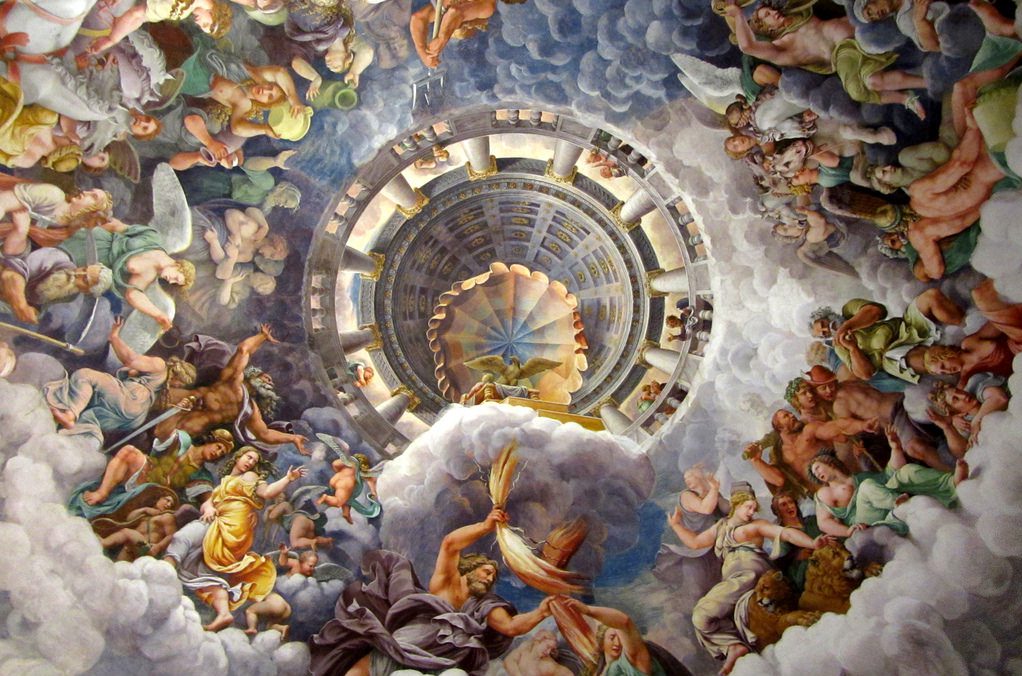
This hidden school in the mountains of Romania was where the Dutch doctor thought Dracula had learned his dark arts. A fabled school for witchcraft and wizardry to rival any dark palace of gothic nightmares, it was known to produce the most powerful of warlocks, just as it was known to exact a heavy price on its students.

From where do these stories come, of a school where students would learn the secrets of dark magicks from the Devil itself? Where was, and perhaps is, the Scholomance, and what can one learn there?

Ten Students and Nine Graduates

The students of Scholomance were also called the Solomonari. The school would enroll only 10 student, the strongest, finest and most devoted to be found from all around the world.

The Solomonari would learn different spells and harness magic powers to become witches and wizards at this unique magic school. The students would also be taught about the speech of animals and how to speak to the animals.

These students would be taught such powers by the Devil himself, and nine of them would graduate to return to the material world and use their powers for whatever evil plans they chose The tenth however, would stand apart, and would not return unchanged.

Source: The Scholomance: Fabled Romanian School of Black Magic

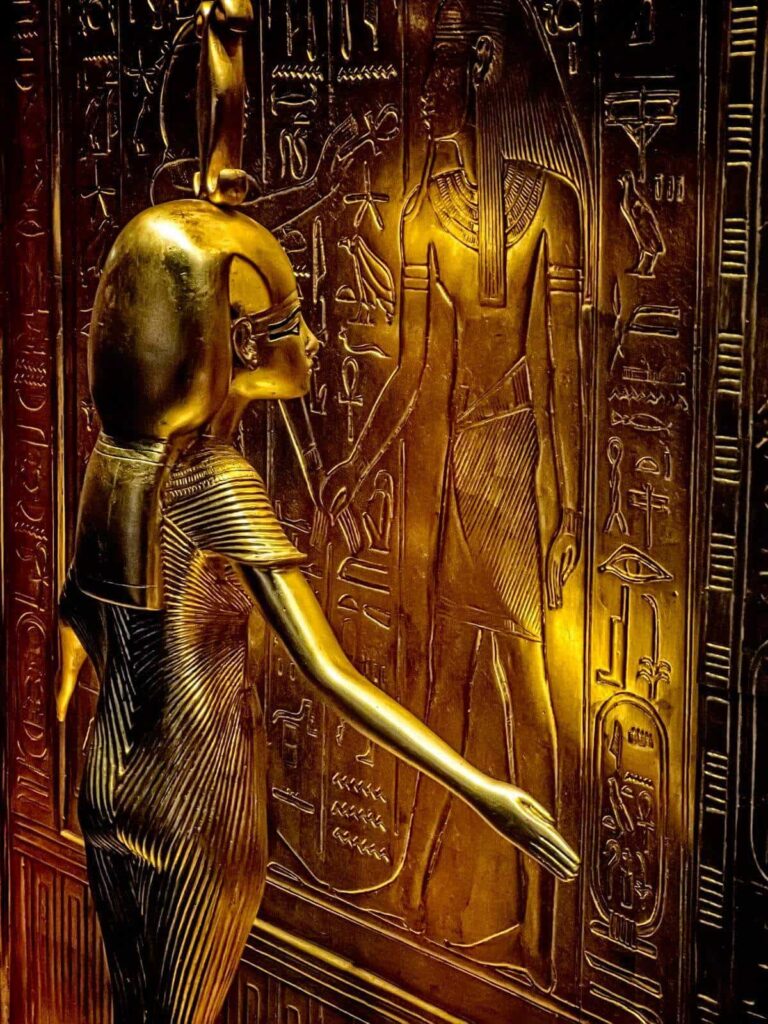
Kabballah | The Origins of Jachin and Boaz

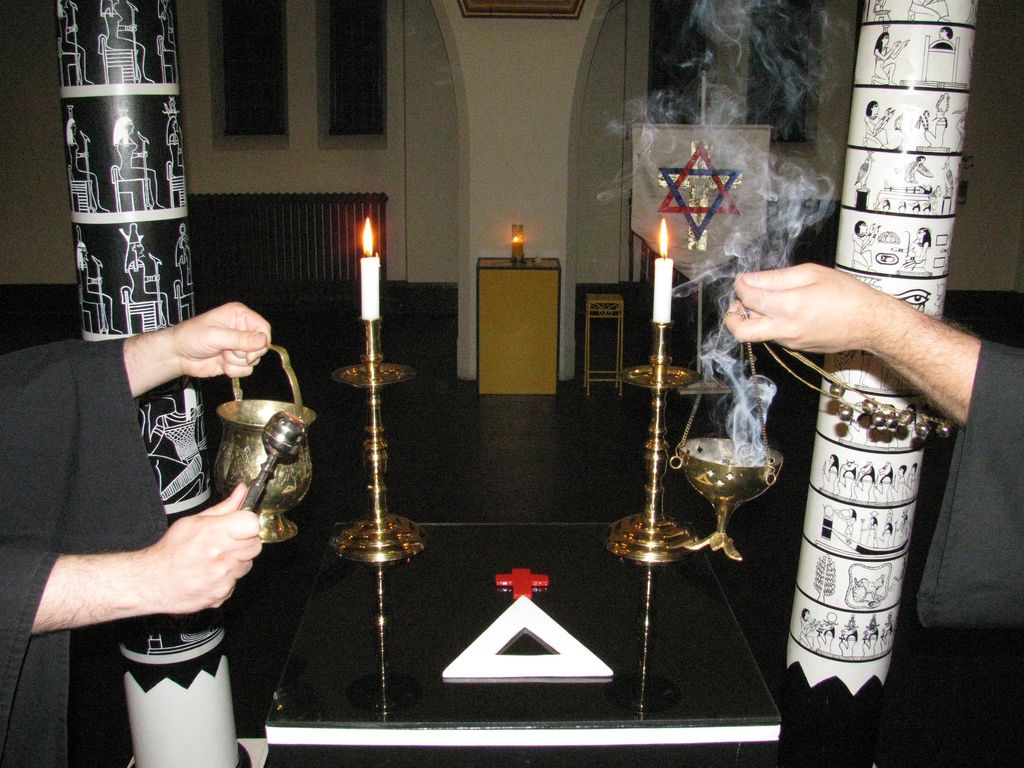
JACHIN AND BOAZ (Heb. יָכִין בֹּעַז), two pillars which were set up in front of the Sanctuary in Solomon’s Temple in Jerusalem (I Kings 7:15–22, 41–42; II Kings 25:13, 17; Jer. 52:17, 20ff.; II Chron. 3:15–17; 4:12–13). The form and nature of these pillars are uncertain, and many proposals have been advanced by scholars.  […]

Source:  Jachin and Boaz

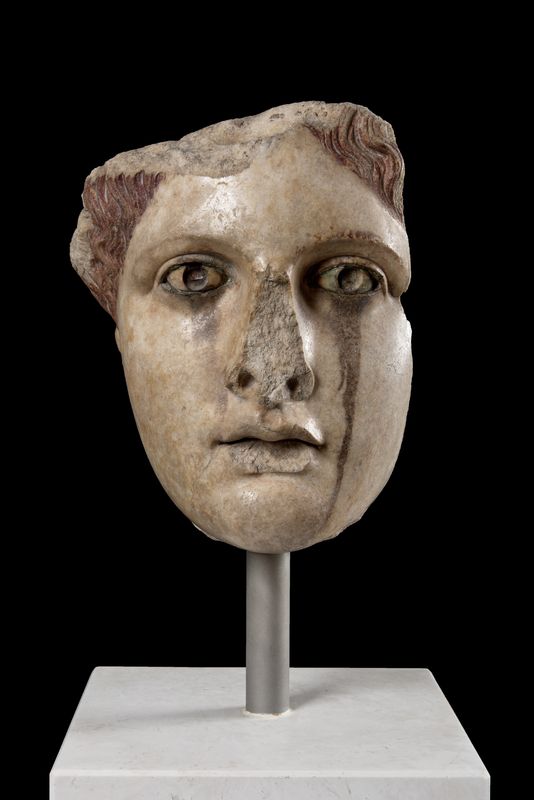
Princess Takushit: Symbol of Authority and Art

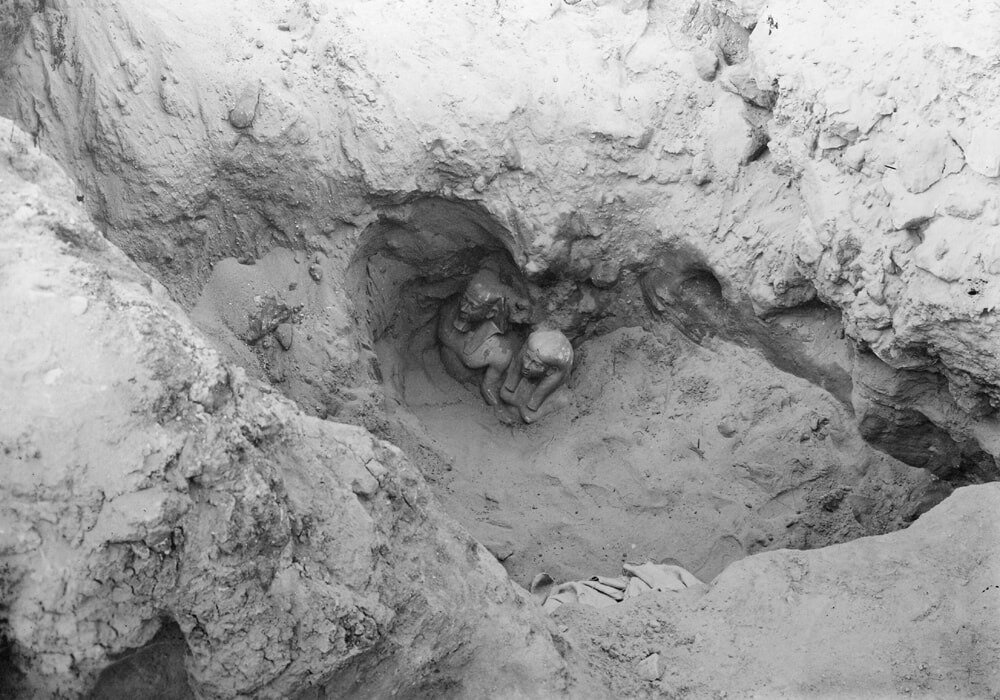
The copper alloy hollow cast statue of Princess Takushit serves a multifaceted role in ancient Egyptian ritual and commemoration. Discovered in 1880 on the hill of Kom-Toruga in Lower Egypt, near Lake Mariut south of Alexandria, this artifact exemplifies the convergence of ceremonial, votive, and funerary practices of its time. During her lifetime, Princess Takushit […]

Source: Princess Takushit: Symbol of Authority and Art

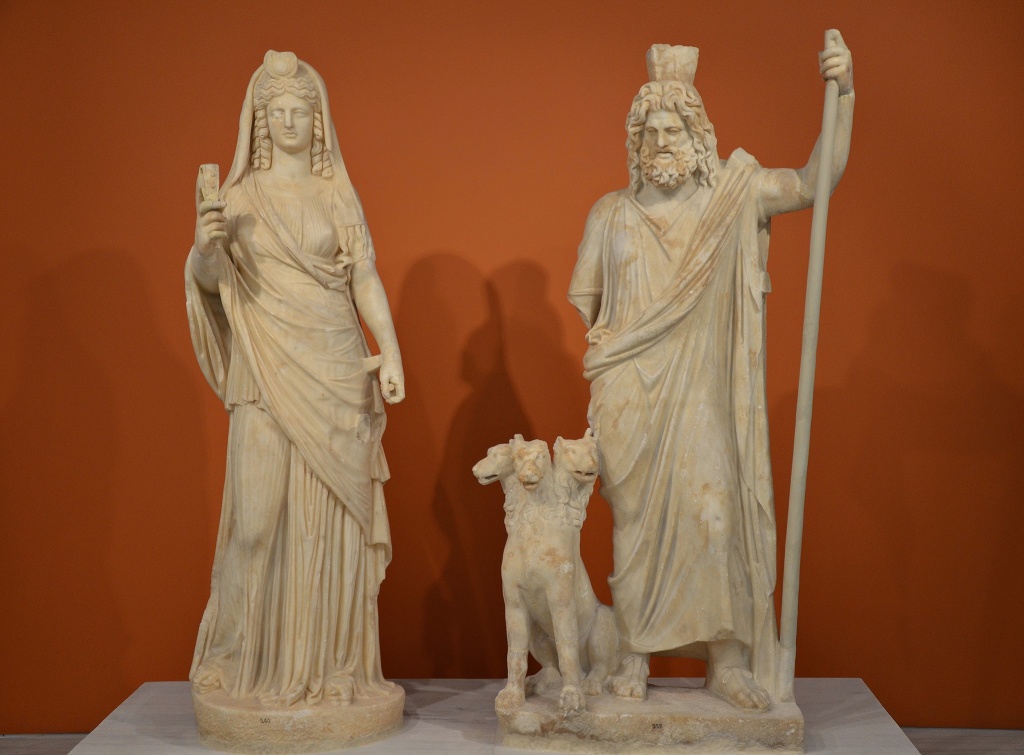
Neith: The Multifaceted Goddess of Ancient Egypt

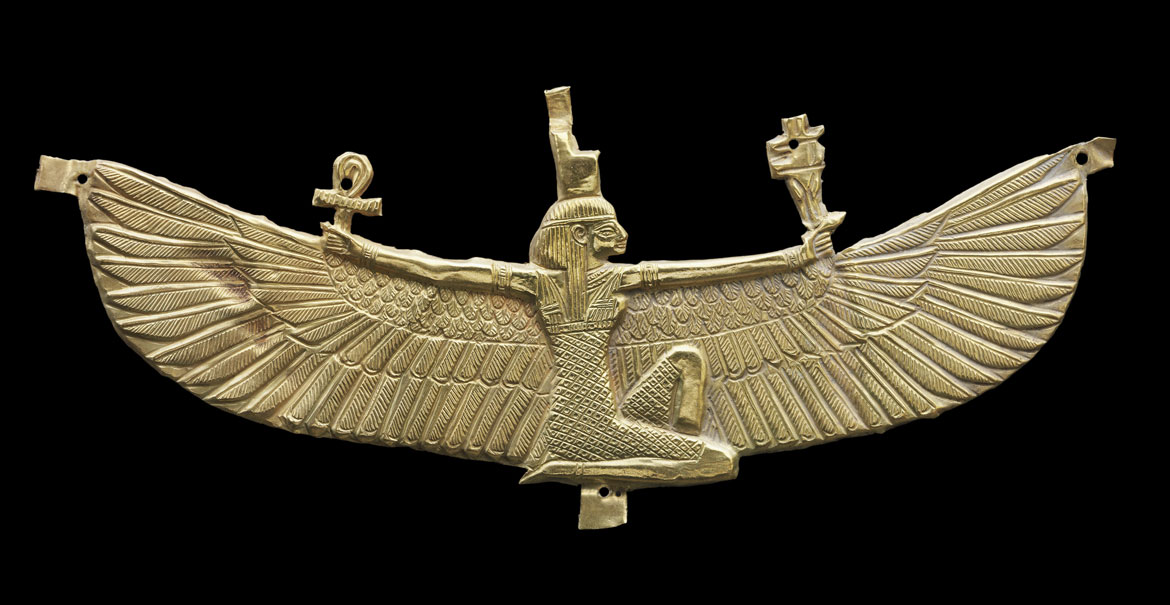
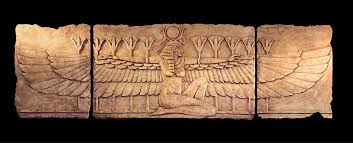
Neith is one of the oldest known deities of ancient Egypt. As a result, her functions evolved over time. Like many goddesses, she exhibits a dual nature: gentle as a protector and fierce as a warrior. There is abundant evidence that she held significant status during the predynastic and early dynastic periods, and reverence for […]

Source: Neith: The Multifaceted Goddess of Ancient Egypt

Theosophy | THE MAHAMUDRA OF VOIDNESS – II

 This is, no doubt, a difficult practice and must be repeated again and again. Whichever purificatory chants one selects — whether it be from The Voice of the Silence, the Bhagavad Gita or The Jewel in the Lotus — these must all be taken as means that are helpful in confronting what is called the papapurusha, the assemblage of sins. It is this hideous aggregate of negative tendencies that forms the basis, at the moment of death, of the kamarupa. On average, it will take some one hundred and fifty years for this form to disintegrate. But if it is more tenacious, owing to a life of self-deception, dishonesty and spiritual pretension, it can last much longer, emitting a foul odour and precipitating crimes and even murders, recognized and unrecognized, on this earth. After-death consequences involving the kamarupa pertain to a plane of effects, but what one does in life pertains to the causal plane of human consciousness. If one is not vigilant, one may be gestating the energies that become powerfully coagulated into a tenacious kamarupa. All such entities are based, in Buddhist theory, upon the force of self-grasping, bound up with the false imputation of inherent existence to the personal ego. Naturally, the presence of such entities putrefying and disintegrating over many centuries throws an oppressive pall over humanity that puts a tremendous brake upon the aspirations of every single human being. Yet this should not be allowed to become a subject of fascination or speculation. Rather, one should recognize one’s own liability to contribute to astral pollution and so one should resolve to purify oneself and one’s emanations.

Instead of becoming preoccupied with the melodramatic history of this aggregate of tendencies, one should merely note them as they arise and mark them for elimination. They will inevitably appear when one starts to engage in meditation, and one should note them only with a view to removing them through the setting up of counter-tendencies drawn from positive efforts to visualize spiritual strengths. Hence the connection, in the Tibetan practice, between the visualization of vajrasattva and the elimination of negative tendencies. Each individual must learn to select the appropriate counter-forces necessary to negate the particular strong negative tendencies that arise. In drawing upon these counter-forces from within, one will discover that one can bring to one’s aid many an element in one’s own being that can serve to one’s spiritual advantage. Every human being has a number of elements which represent a certain ease, naturalness, decency and honesty as a human being. Sometimes there is a debilitating tendency to overlook these or take them for granted.

If this practice is going to prosper, one must bring to it a moral insight rooted in an understanding of metaphysics. The mind must be focused upon general ideas. One must reflect upon the relationship of insight and compassion. Insight is not merely intellectual, but rather arises through the recognition of what skill in action means in specific contexts. Insight involves a perception of how wisdom is reflected within action, and which can come about only through a deep reflection upon the process of how such insight is released. On the other side, before one can truly generate a conscious current of compassion, one must create a state of calm abiding. One must find out one’s resources and potentials for calmness and for generating the maximum field of patience, peacefulness, gentleness and steadfastness. Then one must combine in practice one’s capacity for calmness with one’s capacity for discerning what is essential. Inevitably, this will involve a protracted study lasting over lifetimes, and include enquiry into the fundamental propositions of Gupta Vidya, the study of karma and the study of what Buddhist thought refers to as the chain of dependent origination.

Raghavan Iyer
The Gupta Vidya II
Theosophy | THE MAHAMUDRA OF VOIDNESS – I

If thou dost not — then art thou lost.

For know, that the ETERNAL knows no change.

True meditation upon emptiness depends upon a fullness of preparation through a series of stages of moral practice. Without proper preparation, authentic insight into the nature of voidness (shunyata) is impossible. It matters not how long this preparation takes; it must be honest and genuine, devised by each human being according to his or her own individual karmic agenda. Otherwise it is impossible to launch seriously into meditation, to enter into it with an inward assurance that one will never abandon it. Even after one has entered the Path leading to dhyana one will, inevitably, experience difficulties. Yet one’s very presence upon that Path must be based upon an immutable resolve. One’s preparation for deep meditation upon emptiness must be rooted in a commitment that is irreversible, inalienable and irrevocable.

According to a contemporary commentary upon this teaching delivered by Geshe Rabten, a religious counsellor to the present Dalai Lama, a mahamudra may be understood as a great seal symbolizing an immutable realization of voidness. When one enters into a formal agreement, as in signing a contract, one puts down one’s name or seals a document. Everyone knows what this means in statutory law. It is sacred and irrevocable. It is firm and binding. So, too, in a deeper and spiritual sense, one may seal one’s entire consciousness irreversibly upon the Path of dhyana — meditation. Ultimately, this is a direct subjective experience of voidness. Yet as Geshe Rabten’s commentary points out, this fundamental transformation of consciousness cannot come about except as the sequel to a long and difficult period of preparation through moral practice, mental development and preliminary exercises in meditation. Even these, as set forth in the Sutra Yana teachings of Tibetan Buddhism, require resolves, vows and the development of an unshakeable determination that once one has begun upon this Path, no matter what the difficulties, one will seek to become increasingly honest with oneself and strive ever harder to overcome them.

The primary means of preparation for the mahamudra meditation is taking refuge in the Buddha, the Dhamma and the Sangha. As soon as one directs one’s mind towards the supreme compassion and enormous sacrifice of Gautama Buddha and the entire Host of Bodhisattvas, one is filled with a tremendous purifying strength. By thinking of these beings, who have attained to the state of supreme enlightenment solely for the sake of humanity, one can gain the energy and strength to form an irreversible resolve. Thus all efforts at meditation should begin with an adoration of predecessors, a rejoicing in their very existence and in the reality of their deeds and their living presence. To this joyous practice each individual may bring devotion and an undivided seriousness entirely of his or her own choice. Thinking of the meaning of one’s own life in relationship to the meaning of the lives of all, and in relation to the world’s pain and need, one may contemplate the great work of the Bodhisattvas, inserting one’s own resolve into the broader mission of building a rainbow bridge between the Host of Dhyanis and the world of Myalba. Taking refuge in the triple gem, one can find the courage in oneself to try to aid the earth with all its plight and pain, caused ultimately by a fundamental alienation from the true Self, an ignorance of the true destiny of humanity.

The Tibetan texts lay down for monks a series of mantrams to be chanted. As Geshe Rabten explains, the set of recitations and visualizations revolving around vajrasattva is intended to assist in the elimination of negative tendencies. This aspect of the mahamudra preparation is of particular significance to individuals who have yet to master the discipline and momentum of a mendicant. Vajrasattva represents the embodiment of the power of purification of all the Buddhas. Whilst Tibetan tradition lays down for monks specific modes for visualizing vajrasattva and specific mantrams to be chanted, these details are inappropriate and unnecessary for lay individuals outside the tradition. What is of crucial importance is to bring to bear from within oneself the purifying power of the Buddha-nature upon the whole assemblage of one’s unholy modes of thought, feeling and will. There are, in every human being, a myriad such elements in a state of interconnection. These negative tendencies no doubt arose in former lives, and if they are not extinguished in this life, they will have their fruition in future lives of pain and suffering. The entire assemblage should be acknowledged so as to create a mental posture of total honesty.

Raghavan Iyer
The Gupta Vidya II