
Many of you who subscribe to this blog are well beyond your first steps with Isis. If that’s you, I do hope you’ll share your stories in the comments or on social media. But some of you […]
Source: Your First Steps with Isis

Many of you who subscribe to this blog are well beyond your first steps with Isis. If that’s you, I do hope you’ll share your stories in the comments or on social media. But some of you […]
Source: Your First Steps with Isis

The copper alloy hollow cast statue of Princess Takushit serves a multifaceted role in ancient Egyptian ritual and commemoration. Discovered in 1880 on the hill of Kom-Toruga in Lower Egypt, near Lake Mariut south of Alexandria, this artifact exemplifies the convergence of ceremonial, votive, and funerary practices of its time. During her lifetime, Princess Takushit […]
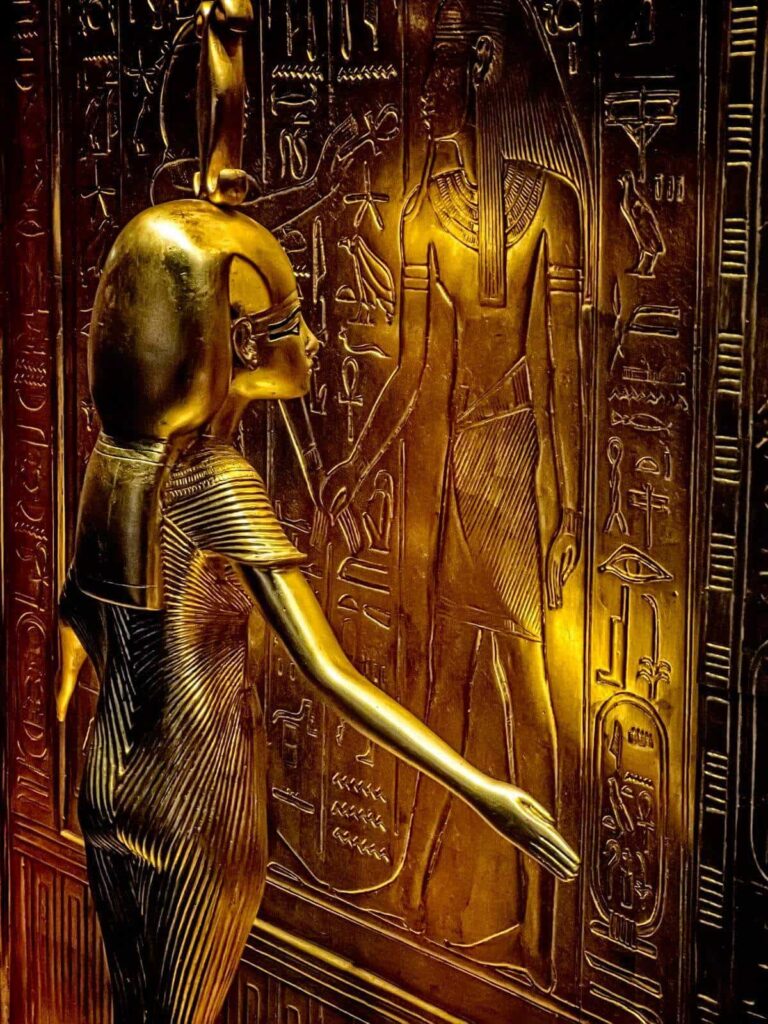
Neith is one of the oldest known deities of ancient Egypt. As a result, her functions evolved over time. Like many goddesses, she exhibits a dual nature: gentle as a protector and fierce as a warrior. There is abundant evidence that she held significant status during the predynastic and early dynastic periods, and reverence for […]
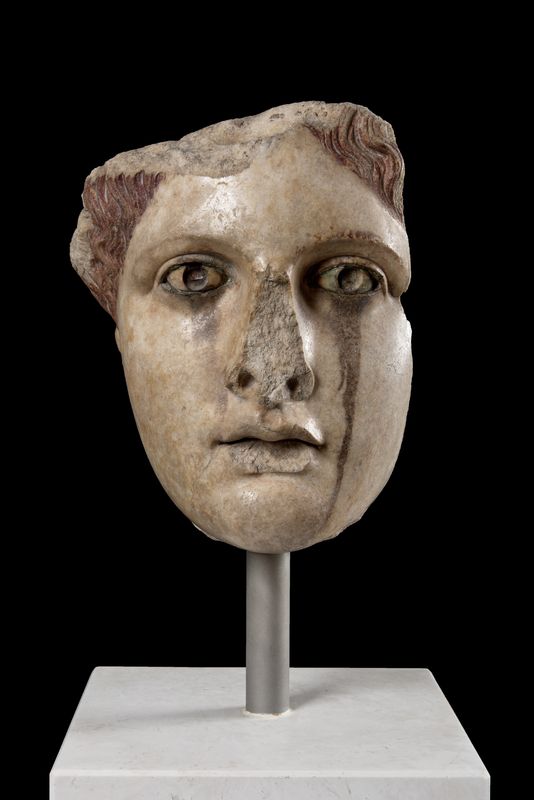
50 years have passed, Since the invasion of the crescent moon and star, The Grey Wolves and the red flags of death Still reign in the North Cypriot sky. […]
Source: Our Beloved Cyprus
Wisdom — Your Infinite Source Of Lifechanging Wisdom.
We are a small group of individuals passionate about sharing the knowledge of people who have contributed to society. We produce content that breathes fresh life into well-known quotes that have been said throughout history because of our love of learning and creativity.
A genuine authorial voice and meticulous attention to every detail of the text enable us to produce truly excellent content that benefits so many people globally.
Let our channel serve as a never-ending well of knowledge to which you may always turn.
This sound is about healing your mind, soul, body, anxiety disorders, sleep problem, depression, insomnia, focus, migraine, stress, agriculture and many more. If you want to find the secrets of the universe, think in terms of energy, frequency and vibration. Similarly, in this channel we are here to help you with positive energy, frequency healing and vibrates through the help of music. In our music we generally use binural rhythms, isochronic tones, subliminal statements and biokinesis to inspire people when awakening from life, enlightenment and much more. (Lucid Dreaming Music) It also includes sleeping music, relaxation music, meditation music, tibetan music, bowl music, shamanic music, healing music, study music, Reiki music, Zen music, spa music/massage and music and music of yoga
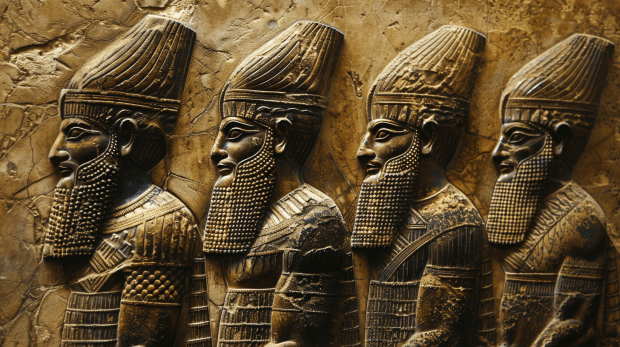
Explore the intriguing concept of Sumerian Divine Council as a possible assembly of extraterrestrial beings.
Source: Deciphering Sumerian Lore: The Divine Council and Cosmic Conclaves
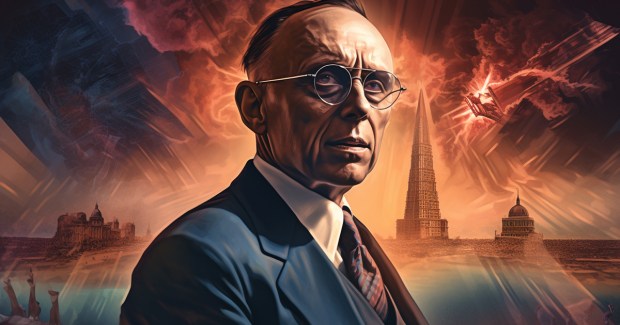
Introduction: The Great Sphinx of Giza, a colossal and enigmatic monument, has always been a subject of fascination for scholars, archaeologists, and conspiracy theorists alike. In this article, the spotlight is on the Sphinx and its alleged connection to the mythical Lost City of Atlantis. Edgar Cayce, a man known for his trance-induced revelations, claimed … Read more
Source: The Remarkable Sphinx Link to the Lost City of Atlantis

Twinkle, twinkle little star. How I wonder what you are…….
Do you really wonder what stars are made of? Or how come they seem so far away? As we learned in school, stars are made up of hot gasses which is hydrogen and helium. But still, it seems like the stars are alive and watching over us.
On a clear night sky, one can observe with admiration those stars that come in different sizes and colors. And they are really such an amazing thing to watch which is why many started star gazing. I even enjoyed this myself as I spent some time watching the night sky from my room’s rooftop when I was a teen. It has been my way of de-stressing.
Where did the first stars come from? There is an interesting legend about the stars that could also explain why the stars are so high up in the sky. […]
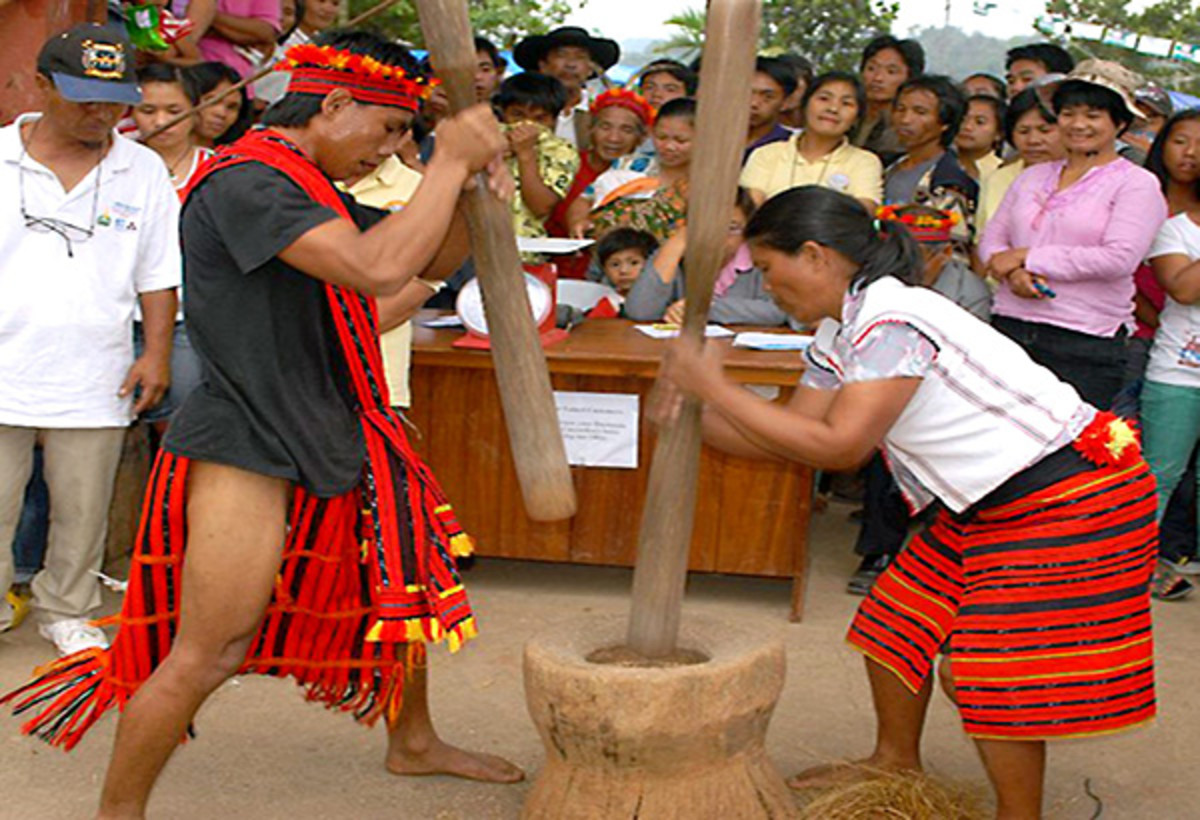
Read. on: Legend of the Stars

Hello, Isiacs. I’m reposting this because, well, it’s that time of year and this question must be answered. Again. Every year, at about this time, one post on this blog starts to get a […]
Source: Was Horus born on December 25th?

The existence of Atlantis has not yet been proven. However, we have the odd testimony described in texts by Plato and in the well-known dialogues of Timaeus and Critias. But, is there concrete evidence about the existence or not of this lost continent?
At the moment we do not yet have conclusive evidence. We are told that Atlantis had a vast territory with a great naval force. That it very possibly rose in front of the Pillars of Hercules (the Strait of Gibraltar) and that it was inhabited by an almost “ideal” society.
They had great natural resources, a varied fauna where, for example, elephants were not lacking. There is also talk of a mountain surrounded by water, of a very distinguished acropolis with a royal palace and of a temple in honor of Poseidon, that god who protected them for a long time.
Until one day, the Atlanteans became too proud and lost the favor of their deity. Timaeus tells us, among other things, that they came to dominate the existing territories from Libya to Egypt, until at the end a violent earthquake made that prosperous country disappear in the absolute silence of the waters.
But do we have feasible evidence to show us the veracity of all this? Today we offer you the latest data available.
The news appeared in various international media, such as the “Daily Mail”. In these media we are told of a hopeful discovery, made by a group of archaeologists from an Italian university, the “Suor Orsola Benincasa”
And what is this finding about? It was off the coast of Sicily, in a city called Gela. Beneath its calm and blue waters, there was an old sunken ship. Submerged about 300 meters deep.
What was inside it ignited the most subtle anticipation among the experts. In the old ship’s bellies were 39 ingots of something very special.
A material that is known as Orichalcum, Oricalco or Orihalcon. It is a type of legendary metal that appears in detail described in Plato’s work, as the most typical thing that was extracted from the mines of Atlantis. The second most valuable after gold. It is a Greek word that can be translated as “mountain copper.”
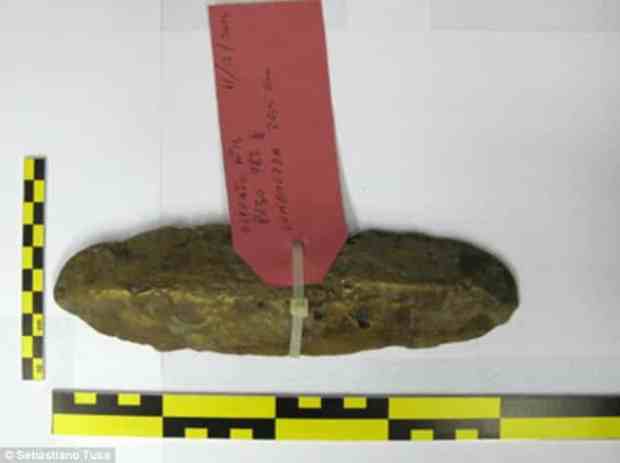
After various analyzes it has been discovered that the Orichalcum is actually a mixture of copper, zinc, nickel, lead and iron and, in turn, these ingots coincide with the details that Plato himself provided about how they used to be smelted.
But if these ingots are interesting, the ship where they were found is even more interesting. It is a very old ship; According to scientists, it must be just over 2,600 years old, which places it on a route that would go from some point farther in the Mediterranean to Asia Minor , at which point a storm ended up sinking it.
It should also be noted that, until recently, many considered the Orichalcum as something very similar to amber and without any relationship to Atlantis.
Others do relate it to the lost continent, but now, authors such as the British researcher James Allen, tell us that it would be more accurate to place Atlantis in the Andean Altiplano, since orichalcum is very similar to the natural alloy of gold and copper that there are in the mines in Urukilia, near Pampa Aullagas, in Bolivia. In fact, there are beautiful crafts with this material.
But what was recently discovered off the coast of Sicily gives us a new type of metal made up of 75-80% copper, 15-20% zinc and small traces of nickel, lead and iron.
Does it then belong to the mines that Plato said existed in Atlantis? We don’t know yet, but as the investigations progress we will inform you, because the subject undoubtedly deserves it.
What is your opinion? Do you think Atlantis really existed?

Five thousand years ago, the rulers of Upper Egypt cast their gaze upon the kingdoms of the Nile Delta and embarked on a conquest that, according to all indications, was accomplished by Narmer, the ruler of Nekhen, who is considered the first pharaoh of a unified Egypt.
In the 3rd century BC, the Egyptian priest Manetho composed a history of Egypt in Greek for King Ptolemy II Philadelphus. Unfortunately, from this work, known as Aegyptiaca, only a few passages have been preserved, reduced to the enumeration of thirty-one dynasties along with the names of the sovereigns who constituted them and references to some significant events during their reigns.
According to Manetho, the history of dynasties commenced with Menes, acknowledged as the inaugural pharaoh of Egypt and the founder of the First Dynasty. Prior to Menes, also known as Narmer, the land of the Nile was ruled by gods and demigods.
However, modern archaeology has revealed that long before Narmer’s reign, a lengthy process of unification of the entire Egyptian territory was underway. This process was led by monarchs hailing from Upper Egypt, the southern region of the country, who are associated with what we now call “Dynasty 0.”
These monarchs ruled during the Late Predynastic or Protodynastic period, spanning from 3300 to 3100 BC. This period corresponds to the concluding phase of the culture recognized by Egyptologists as Nagada III.
Today, Nagada (known as Nubt in ancient Egyptian and Ombos in Greek) is merely a village. However, it remains a crucial archaeological site for establishing the origins of these rulers of the 0th dynasty who embarked on their campaign to conquer the northern regions of the country.
Prior to the Late Predynastic period, the various “urban” communities in Upper Egypt had clustered along the Nile, where arable land was abundant.
Peasants made use of the river’s annual flooding, combined with early artificial irrigation techniques, to enhance agricultural productivity. This allowed for the cultivation of a wider range of crops, including cereals, fruits, and vegetables, leading to a substantial population increase.
As these communities grew, they began to be governed by leaders who were universally accepted and respected. Undoubtedly, these leaders must have possessed qualities of both military prowess and effective mediation.
Between 3500 and 3300 BC, corresponding to the Nagada II or Gerzense culture, Upper Egypt featured three prominent population centers that outshone the rest: the proto-kingdoms of Hierakonpolis (known as Nekhen in Egyptian), Nagada, and Tinis-Abydos. Their expansion led to fierce competition for dominance over the entire region and control of exotic trade goods.
The rivalries among these three centers eventually culminated in the triumph of Hierakonpolis. It unified Upper Egypt under its rule and established a highly centralized government. The victorious leaders of Hierakonpolis settled in the nearby town of Tinis-Abydos, possibly with plans for future expansion northward.
It’s worth noting that the necropolises of Upper Egypt’s most influential regional centers contained burials of varying social classes during this period. The quantity and quality of funerary objects discovered in certain graves point to the emergence of a powerful elite within an increasingly hierarchical society.
While Upper Egypt achieved military unity (possibly through alliances as well as conflicts), the settlements in Lower Egypt, specifically in the Delta region, did not form a cohesive kingdom. Some prominent elites may have existed in cities like Buto (known as Pe in Egyptian) or Sais. However, in general terms, the various communities remained autonomous from one another.
Furthermore, these Lower Egyptian communities had experienced limited social changes since the Neolithic era. They were societies with minimal social disparities, as evidenced by the simplicity of the tombs unearthed in the region. These tombs typically consisted of small, ground-dug oval graves with basic funerary belongings.
Gradually, the cultures in the northern regions abandoned their traditional practices and material culture in favor of those from Upper Egypt. They adopted features like wheel-turned pottery with a red glaze and the crafting of stone vessels, which were characteristic of Nagada II.
By the onset of the Late Predynastic period, around 3300 BC, the indigenous culture of Lower Egypt had vanished, supplanted by elements from Upper Egypt. Now, the entire country was culturally united, though not politically. The political unification that would ultimately lead to the formation of the pharaonic state commenced in the south during the final phase of the Predynastic era. The expansion of Upper Egypt toward the north must have been gradual and intricate, occurring under the rule of various kings from Dynasty 0.
It is intriguing to note that in later dynastic times, starting in the 3rd millennium BC, the falcon god Horus, symbolizing order, was regarded as the protective deity of Lower Egypt, while the warrior god Set, symbolizing chaos, served as the patron deity of Upper Egypt. According to mythology, Horus and Set clashed when the latter slew Osiris, the father of Horus. Until recently, scholars interpreted this mythical conflict between Horus and Set as a reflection of the struggles between two predynastic kingdoms: one from Upper Egypt and the other from Lower Egypt.
However, contemporary understanding suggests that the unification process did not result from a confrontation between an Upper Egyptian ruler and a unified Delta. In reality, Egypt’s transformation into a territorial state resulted from the successive conquests carried out by the kings of Upper Egypt over several generations.
In this context, the concept of Egypt as a land of the Two Lands (comprising two kingdoms) lacks historical grounding. Instead, it aligns with the Egyptian notion that a whole is constituted by two opposing yet complementary parts. These two halves, Upper and Lower Egypt, had their own patron gods and emblematic symbols. Consequently, Set and the city of Hierakonpolis became the protective deity and symbolic capital of Upper Egypt, while the falcon god Horus and the city of Buto assumed the role of the protective deity and symbolic capital of Lower Egypt.
Archaeological excavations conducted in Tinis-Abydos have unveiled the history of Egypt’s unifiers—the rulers of the 0th dynasty.
Starting from the Nagada III period, Abydos, serving as the necropolis of the city of Tinis (whose precise location remains unknown), became the final resting place for these rulers.
Their tombs have been identified in what we now recognize as Cemetery U and Cemetery B. Among the tombs, the most extensive and intricate one is the Uj tomb, associated with a leader or sovereign who lived around 3250 BC.
The discovery and excavation of this tomb took place in 1988, led by archaeologists from the German Institute in Cairo under the guidance of Egyptologist Günter Dreyer. Covering an area of 66.4 square meters, the tomb comprises twelve interconnected chambers linked by narrow vertical slots.
Despite being plundered in ancient times, archaeologists uncovered bone and ivory artifacts, including intricately carved knife handles, stone containers, a significant cache of ceramics (including plates, bread molds, and jugs containing scented oil, fats, and beer), as well as up to 400 vessels believed to have been imported from Canaan, possibly used to store wine.
Within the burial chamber, remnants of a wooden chapel and a complete ivory heqa scepter were discovered. The heqa scepter, shaped like a staff, symbolized royal authority during dynastic periods. Its presence in the tomb strongly suggests the royal status of its occupant.
Among the diverse array of funerary objects found in the Uj tomb of Abydos, the most significant for researchers may be the 150 small bone or ivory tablets engraved with the earliest hieroglyphic signs recorded in Egyptian history. These signs also appeared inscribed in black ink on ceramic vessels and represent the oldest known evidence of writing in the Nile region, possibly even the oldest writing in the world. These inscriptions confirm the indigenous origin of Egyptian writing and suggest its connection to the realm of royal funerals.
While the identity of the tomb’s occupant remains a mystery, the frequent appearance of the scorpion symbol on the ceramic vessels found there has led to the suggestion that the sovereign interred here might have been referred to as King Scorpion I. However, this is likely a symbolic name, and the prominently depicted scorpion sign may represent one of the many symbols of his power and strength rather than a literal name.
As previously explained, the political unification of Egypt was the outcome of an extended series of military conquests in the Delta region carried out by the kings of Upper Egypt, predating the First Dynasty.
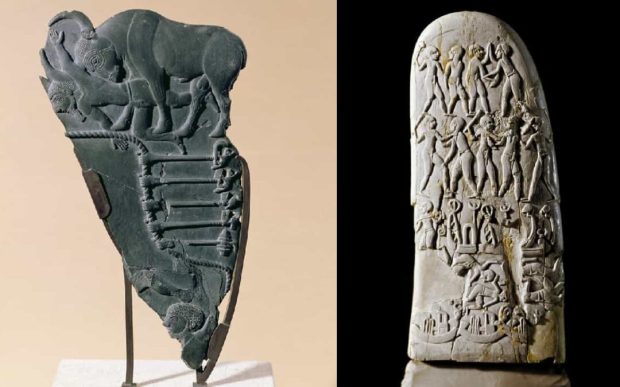
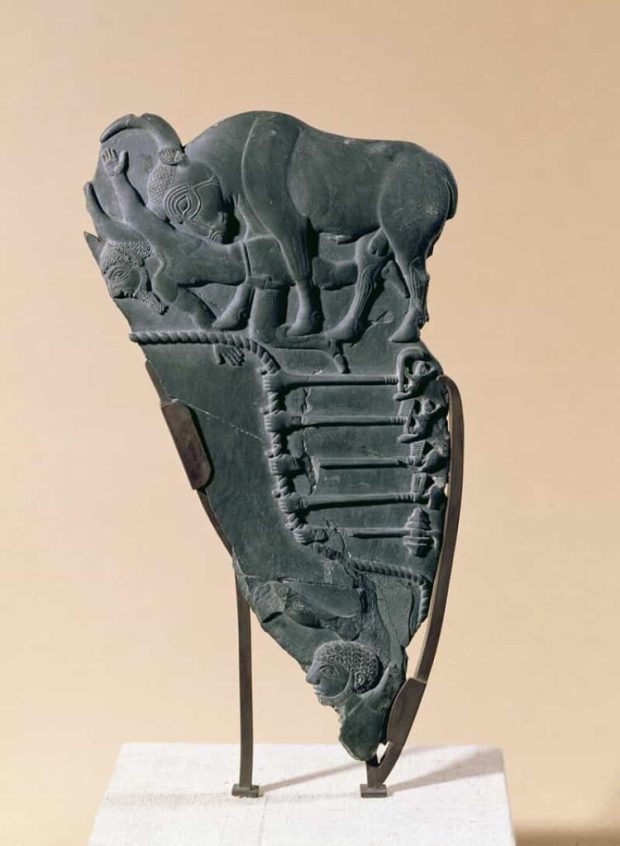
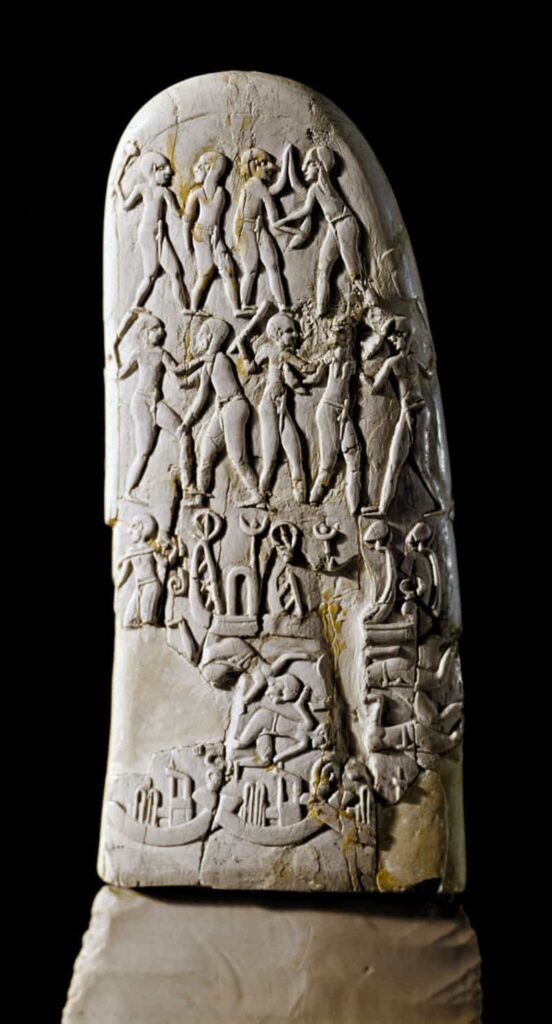
Our sole evidence of these conquests stems from the relief scenes found in the “unification documents,” which date back to the conclusion of the Predynastic era. These documents include knife handles, votive mace heads, and sizable ceremonial palettes, originally utilized as platforms for cosmetics preparation.
The Palettes of the Lion and the Bull depict the king in the guise of a lion or a bull, engaged in combat against enemies or fortified cities. These themes frequently recur in the iconography of the period and likely offer a representation of actual events.
The rulers credited with accomplishing the unification of the Two Lands are Narmer and Scorpion, though many experts propose that they might be one and the same individual.
In their respective city of origin, Hierakonpolis, a significant cult center linked to the falcon god Horus, numerous votive objects bearing these names have been unearthed. These include the renowned Palette of Narmer and the mace heads featuring Scorpion and Narmer.
It is highly probable that the scenes etched on the Narmer votive palette portray the culmination of this unification process. Narmer, recognized as the first ruler of the First Dynasty and the founder of the city of Memphis, is credited with finalizing the unification of Upper and Lower Egypt around 3100 BC.
Source: Irene Cordón i Solà-Sagalés, National Geographic

Throughout most of ancient Egyptian history, the god Ra was the supreme deity who governed the passage of hours, days, months, years, and seasons.
He brought order to the universe and made life possible. Ra could manifest in two other forms: Khepri, symbolizing birth or rebirth as the dung beetle, and Atum, representing the complete being.
The ancient Egyptian clergy explained that the sun star could assume different forms during its journey across the sky: Khepri represented the rising sun, Ra symbolized the sun at its zenith, and Atum represented the setting sun.
Ra’s daily emergence from the depths of the Duat (underworld) symbolized the cyclical nature of creation, and he was particularly venerated at Heliopolis.
During the Old Kingdom, the cult of Ra had a significant influence, combining with the two primary deities of creation, Atum and Amun, to give rise to hybrid entities like Atum-Ra and later Amun-Ra.
This is how the sun god became worshipped as a creator god. Ra was also considered the ancestor of the pharaohs, and his role grew even more complex as he merged with other gods.
There are various versions of Ra’s birth. In a classic rendition, as recounted notably by Neil Philip in his work “Myths and Legends,” Ra created himself by naming himself, just as he would create the elements of life by drawing them from the Nun, the primordial ocean.
In a variant, Ra is said to have been brought into the world by the goddess Neith during the darkness that presided over the emergence of life on Earth.
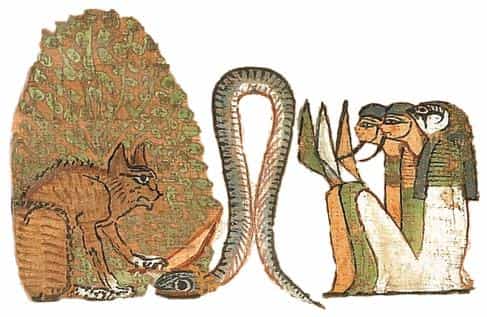
When confronted by this darkness, he began to cry, and humanity was born from his tears. Neith also gave birth to the serpent Apophis (Apep). Apophis and Ra were in constant conflict, clashing night after night.
Ra, whether as Atum-Ra or Amun-Ra, was not only the god of the sun but also the ruler of both gods and humans. Ra, and later his sons, reigned on Earth. The eye of Ra watched and observed everything, sparing nothing from its gaze.
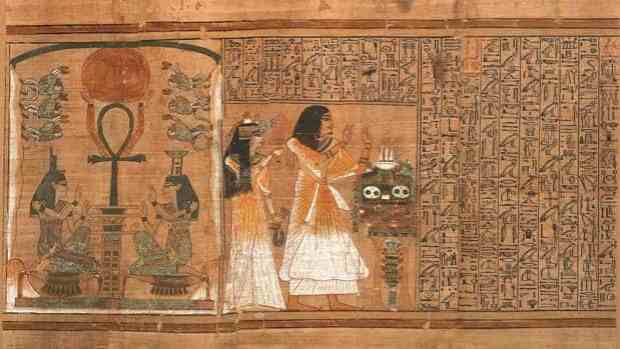
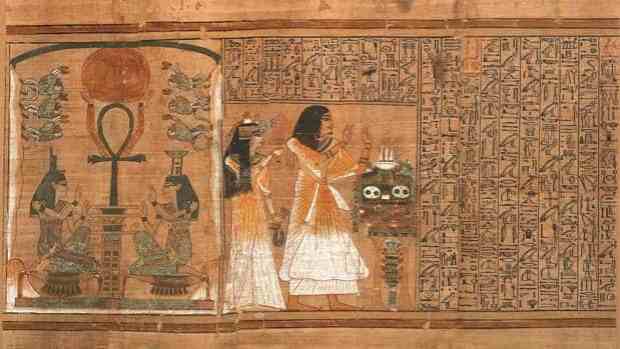
The Papyrus of Ani is one of the best-known versions of the Book of the Dead. It is believed that it was written about the nineteenth dynasty.
Among other things, its importance is because it contemplates the largest number of chapters among all the texts that have been found, explaining in detail the judgment of Osiris, a moment in which the soul of the deceased faces a judgment on the conduct of his past life.
The ancient Egyptians had a lot of respect for death. They cared more about the afterlife than the present one. For this reason, those who could afford it, as it was very expensive, did not hesitate to purchase their own Book of the Dead.
They could be made to order, thus bearing the name of the deceased and having previously chosen the spells for his papyrus. On the other hand, series of the Books of the Dead were also frequent, in which space was left to place the name of the deceased (they would obviously be cheaper).
Taking this into account, we can affirm that Ani was someone of great relevance. In the text, it is already said that he was a scribe, and the truth is that the scribes enjoyed an excellent social position at that time.
The text thus reveals that Ani was a “true royal scribe and administrator of the divine offerings of all the gods”, “Governor of the granary of the lords of Abydos and scribe of the divine offerings of the Lords of Thebes,” and “Beloved of the lord of the north and south”.
All this makes us see that he was of a high rank and that his position allowed him to pay for such a complex and elaborate book.
Egyptologists believe that the book was written by three different scribes. This is because three very different spellings can be identified, although it is true that they are from the same school and that one of them stands out above the other two.
On this occasion, the text was adapted to the images, as can be seen in the changes of signs, repetition of chapters, and omission of others. This was unusual for this type of book.
The book itself is nothing more than a perfect manual of the steps that the ka of the deceased must follow in the Duat. A Guide to the Perils of the Path to Judgment with Osiris. Thus, this book would have been called the book of eternal awakening.
Although approximately twenty-five thousand different copies of the Book of the Dead have been found, this papyrus of Ani is, without a doubt, one of the best-preserved copies. Therefore, the book itself has been a great source of knowledge about the religiosity of the ancient Egyptians.
Discovered in the tomb of Ani at Thebes (nineteenth dynasty ca. 1250 BC), it recounts the journey to the afterlife of this high official and royal scribe together with his wife, the priestess Tutu.
It was purchased by the controversial Ernest Wallis Budge (1857-1934). Given the “strange” circumstances by which the piece was taken, the authorities of the Antiquities Service surrounded the Egyptologist’s house to seize the pieces. But Budge did not flinch, and he evaded the pieces.
In order to more easily take out the papyrus from the country, he cut its more than twenty-three meters into thirty-seven fragments, which are the ones that can be seen today in the British Museum in London.
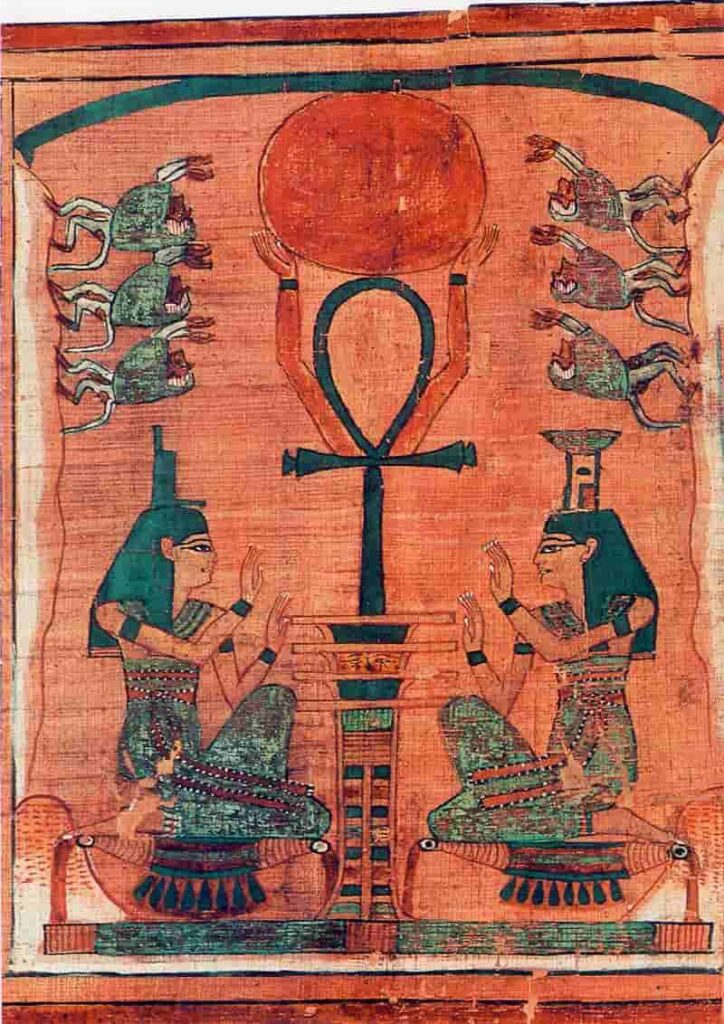
Isis and Nephthys before Osiris, in the form of a Djed pillar. Papyrus of Ani.

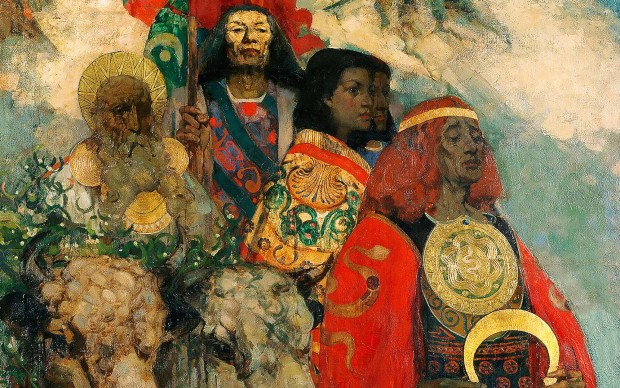
The Greeks and Romans portrayed these elusive priests as bogeymen who bathed in their victims’ blood. Who were they really? […]
Source: What can archaeology tell us about the Druids’ dark arts? | Aeon Essays
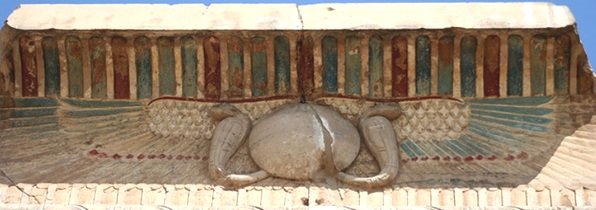
Wherever you see an image of the winged disk you are looking at Horus Behdety, a totally separate entity to the Sun. Horus sky god “He above. […]
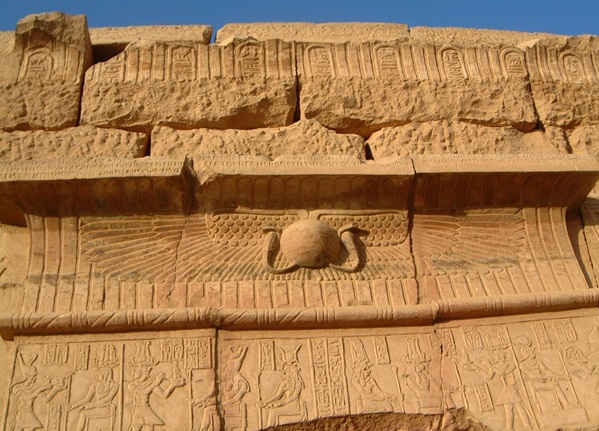
Source: Horus Behdety – The Winged Disk (Horus Gods – Part 3 of 3) – The God King Scenario

Re Horus of the horizons, Re-Horakhty, or even “Horus (who is) Re of the Horizons.” Re-Horakhty was a ‘living image of Re.’ […]
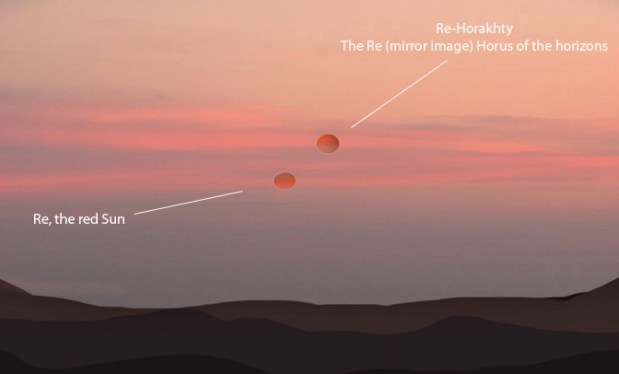
Source: Re-Horakhty (Horus Gods – Part 2 of 3) – The God King Scenario

It will be shown how Horus was essentially an omnipresent sky deity whose physical form was above all manifest in the god king planets. […]
Source: The Egyptian Sky God Horus. Part 1 of 3. – The God King Scenario

In 1150, a pair of green-skinned children are said to have shown up in an English village, and the strange tale continues to baffle historians to this day. […]
Source: The Head-Scratching Mystery Behind The Green Children Of Woolpit

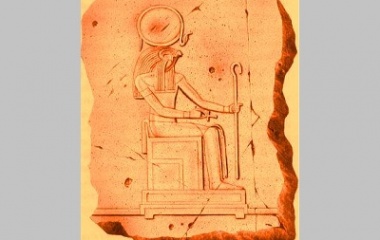
Ra was an Egyptian god. His believers considered him to be the god who created everything. He was also known as the sun god and was an incredibly powerful and important central god of the Egyptian pantheon.
 Grand Temple of Horus Behdety